When shopping for high end glasses frames, most buyers notice the price tag first—but few understand exactly what separates truly premium eyewear from mass-produced alternatives. For optical brands, retailers, and private label businesses, grasping these quality differences is critical to selecting the right manufacturing partner and building a product lineup that commands premium pricing.
What Actually Makes Glasses Frames “High End”?
High end glasses frames are not defined by branding alone. True luxury eyewear delivers measurable advantages in materials, craftsmanship, fit accuracy, and durability that justify the higher investment. Below are the core criteria that set premium frames apart from standard market offerings.
1. Material Selection: The Foundation of Premium Frames
The most visible difference lies in raw materials. Top-tier manufacturers use:
Premium cellulose acetate: Sourced from specialized suppliers, high-grade acetate delivers deeper color depth, superior gloss retention, and better structural stability over years of use. It also allows for richer lamination patterns and more precise milling.
Pure titanium & beta-titanium: Lightweight, hypoallergenic, and exceptionally strong, titanium frames represent the peak of metal eyewear quality. Beta-titanium adds flexibility for improved comfort and adjustability.
Stainless steel alloys: High-grade surgical steel offers excellent corrosion resistance and consistent shape retention at a more accessible price point than titanium.
Cheaper alternatives rely on injected plastic, low-grade acetate, or mixed metal alloys that degrade quickly, lose color, and cause skin irritation for sensitive wearers.
2. Precision Craftsmanship & Production Standards
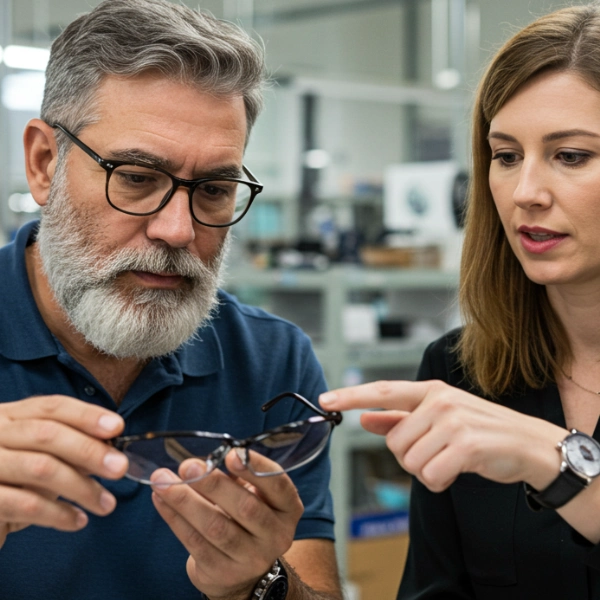
High end glasses frames require far more manual production steps. A premium acetate frame can go through over 60 individual processes including barrel polishing, hand filing, hinge fitting, and multi-stage quality inspection.
Key quality markers include:
Tight, gap-free hinge installation with reinforced rivets
Smooth, rounded edges with no sharp surfaces
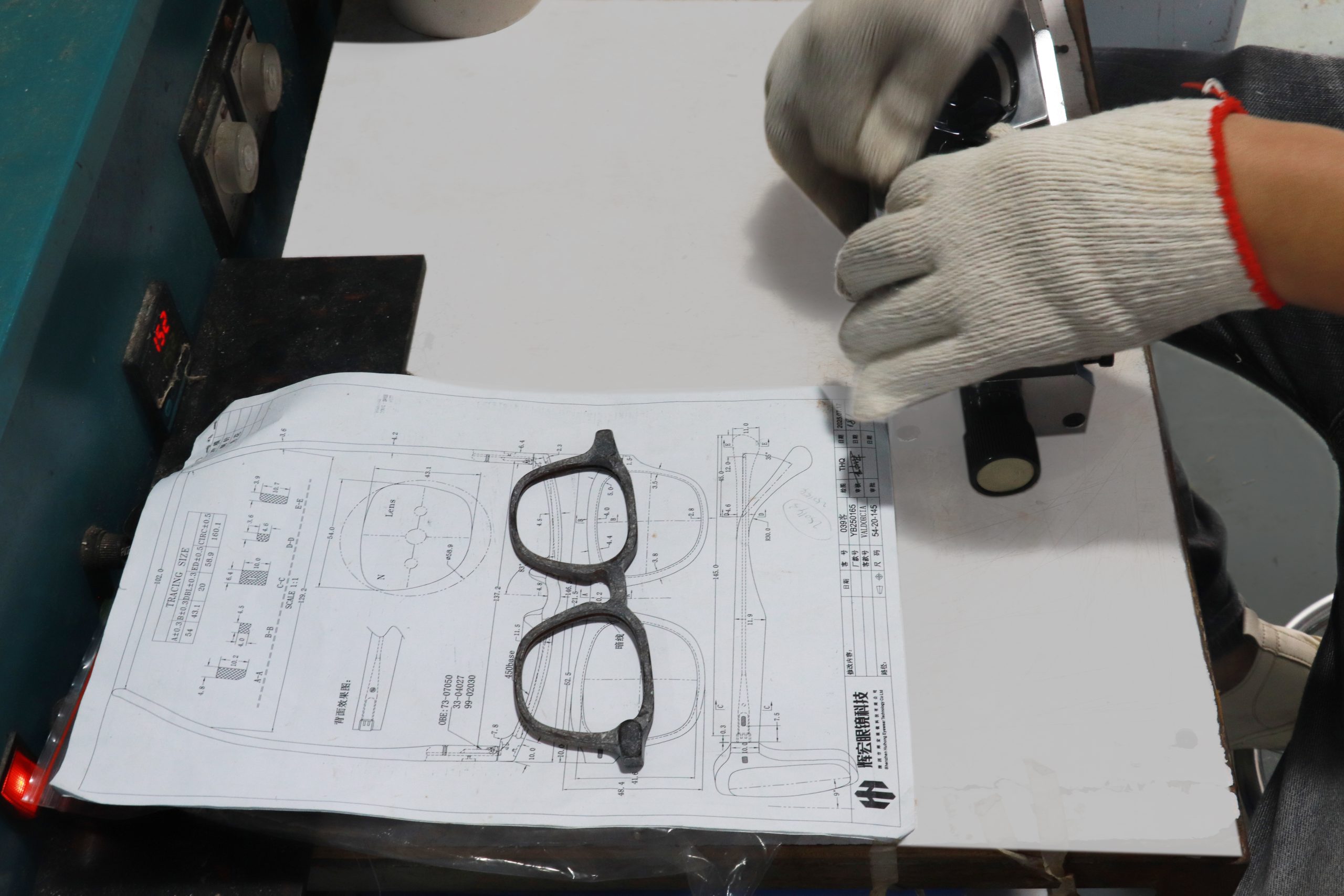
Uniform lens cutout dimensions with zero warping
Consistent temple tension that holds adjustment over time
Mass-produced frames skip many of these hand-finishing steps, resulting in shorter product life and lower customer satisfaction.
3. Ergonomic Design & Wearability
Premium eyewear is engineered for all-day comfort. This involves:
Precise weight distribution across the nose bridge
Properly angled temple tips that grip without pressure points
Adjustable nose pads that accommodate different facial structures
Balanced front-to-rear weight ratio to prevent sliding
These design details are developed through extensive prototyping and wear testing—steps that most budget manufacturers eliminate to reduce costs.
4. Surface Finish & Detail Work
The finish quality is where high end glasses frames truly distinguish themselves. Premium frames feature:
Deep, uniform coloring that resists fading from UV exposure and skin oils
Polished inner rims that prevent lens scratching
Clean, flush logo engraving or laser marking
Smooth, burr-free screw holes and hinge points
These small details accumulate to create a product that feels luxurious at every touch point.
5. Quality Control & Consistency
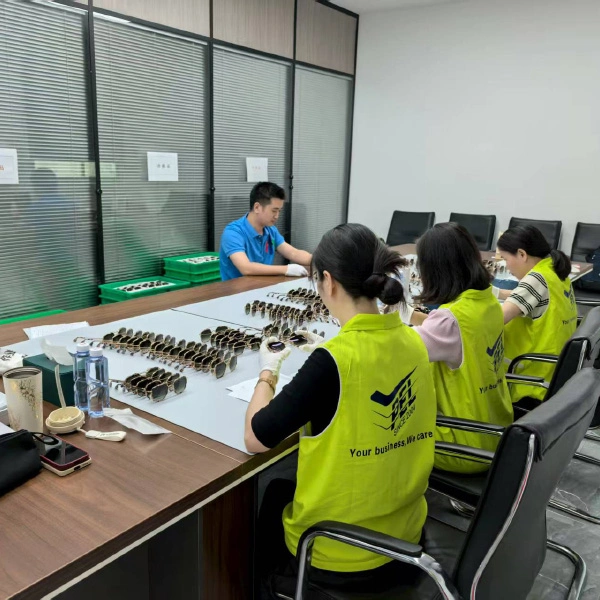
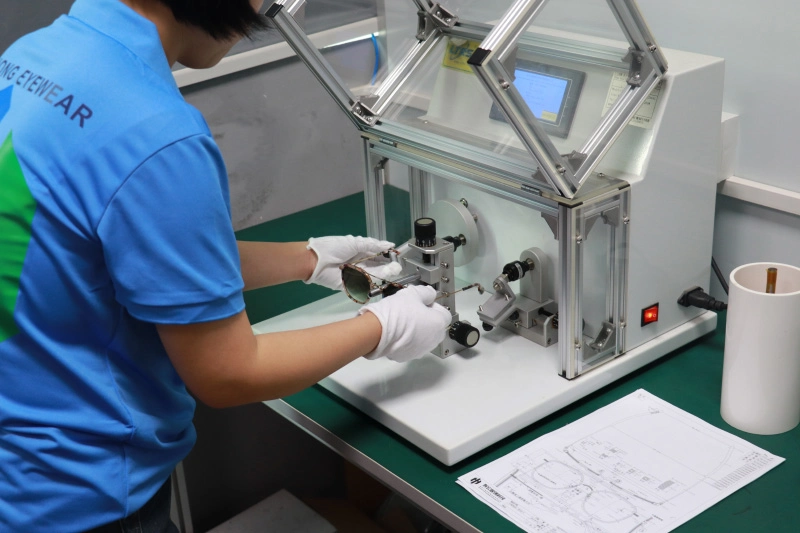
Reputable premium eyewear manufacturers implement multi-stage QC at every production phase—from incoming material inspection to final assembly and packaging. This ensures that every frame meets the same dimensional, cosmetic, and functional standards.
For brands scaling their collections, consistent quality directly reduces return rates and strengthens customer trust.
6. Customization Capability for Brands
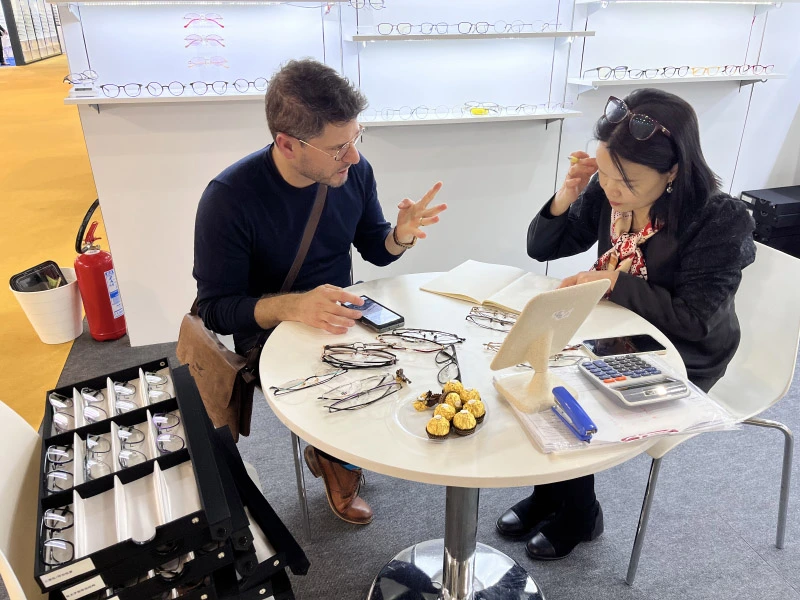
True high-end manufacturing partners offer more than just catalog products. They provide:
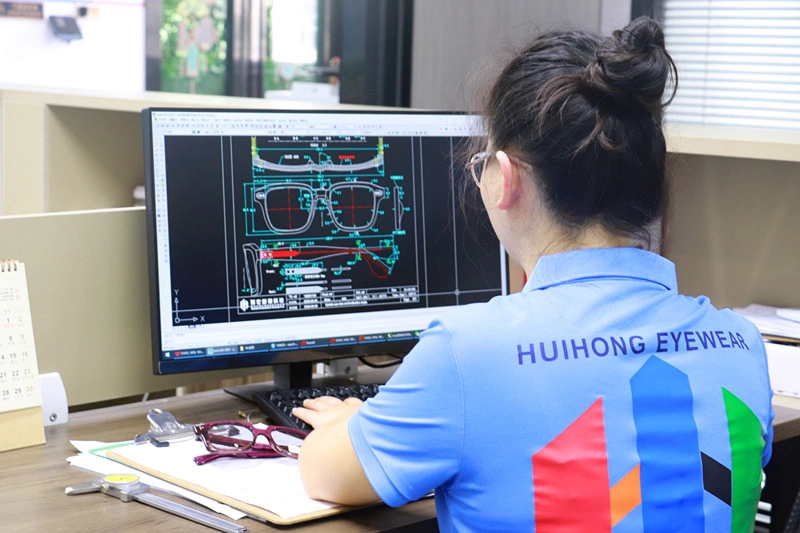
Custom shape development from 2D sketches to 3D prototyping
Custom color matching and acetate pattern development
Brand-specific hardware and hinge options
Private label packaging solutions
This level of flexibility allows optical brands to create distinctive product lines rather than selling rebranded stock frames.
7. Compliance & Safety Certification
Premium eyewear meets international safety standards including ANSI Z80.3, CE, and FDA impact resistance requirements. Responsible manufacturers also ensure all materials comply with REACH and RoHS environmental regulations.
These certifications are not optional for brands selling into North American, European, or Australian markets.
Choosing the Right Manufacturing Partner for Premium Eyewear
Building a high-end glasses frame collection starts with selecting a manufacturer that understands all seven factors above. Look for a partner with dedicated design and engineering teams, in-house tooling capabilities, strict QC protocols, and a proven track record in OEM/ODM eyewear production.
The best manufacturers work as an extension of your brand—translating your design vision into production-ready frames while protecting your intellectual property and maintaining consistent quality across every production run.