Metal glasses remain one of the most enduring choices in eyewear, valued for their sleek aesthetics, structural strength, and timeless versatility. From minimalist office wear to premium designer lines, metal frame glasses continue to dominate both retail shelves and custom brand collections. In this guide, we break down everything you need to know about metal eyeglasses — from material differences to how custom metal glasses are manufactured at scale.
What Are Metal Glasses Made Of? Key Materials Compared
Not all metal optical frames are created equal. The material chosen directly impacts weight, durability, comfort, hypoallergenic properties, and price point. Here are the four most widely used metals in eyewear production:
Stainless Steel Frames
Stainless steel is the workhorse of mid-range metal glasses. It offers excellent corrosion resistance, solid structural rigidity, and a polished modern finish at an accessible cost point. Stainless steel frames hold their shape well and support a wide range of plating colors — from classic silver and gold to gunmetal and brushed finishes. They are ideal for everyday prescription glasses and bulk retail lines where consistency and cost-efficiency are priorities.
Titanium Frames
Titanium represents the premium tier of metal eyeglasses. Up to 40% lighter than steel yet exceptionally strong, titanium frames deliver all-day comfort with minimal nose pressure. The material is naturally hypoallergenic, fully corrosion-resistant even in humid or coastal environments, and maintains its appearance for years. Pure titanium and beta-titanium variants are the top choice for high-end eyewear brands targeting professionals, sensitive-skin wearers, and consumers who prioritize long-term quality.
Memory Metal (Nitinol) Frames
Memory metal frames are made from a nickel-titanium alloy that returns to its original shape after bending or twisting. This remarkable flexibility makes them highly damage-resistant and well-suited for active lifestyles, children’s eyewear, and users who frequently handle their glasses roughly. While memory metal offers unmatched resilience, it requires specialized manufacturing and adjustment tools.
Metal Alloys and Monel
Alloy blends provide a balance of cost, malleability, and design flexibility. They allow for intricate detailing, thin rim profiles, and semi-rimless constructions. Quality varies widely by alloy composition — premium alloys use controlled nickel content to reduce skin sensitivity, while budget options may be heavier and more prone to tarnishing over time.
Metal Frames vs. Other Materials: How to Choose
One of the most common search questions is whether metal glasses are better than acetate or plastic frames. The answer depends on use case and customer profile:
Durability: High-quality metal frames typically last 5–7 years with proper care, outlasting most acetate frames which may show warping or fading after 3–5 years. Metal resists cracking from drops and maintains its structural integrity longer.
Weight: Titanium metal glasses are lighter than most acetate frames, while standard steel frames are comparable or slightly heavier.
Style range: Acetate offers richer colors and patterns; metal excels at minimalist, refined, and professional aesthetics.
Adjustability: Metal frames can be precisely bent and adjusted for fit; acetate requires heat treatment and is less forgiving of repeated adjustments.
Hypoallergenic performance: Titanium and premium stainless steel are skin-friendly; lower-grade alloys with high nickel content may cause irritation in sensitive users.
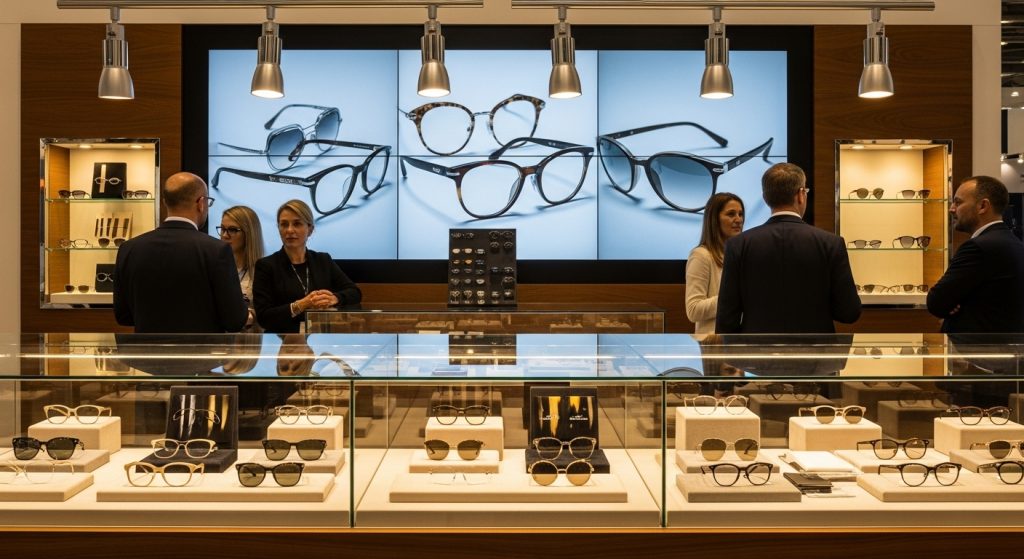
For brands building a collection, a balanced lineup often includes both metal and acetate options to cover different customer segments.
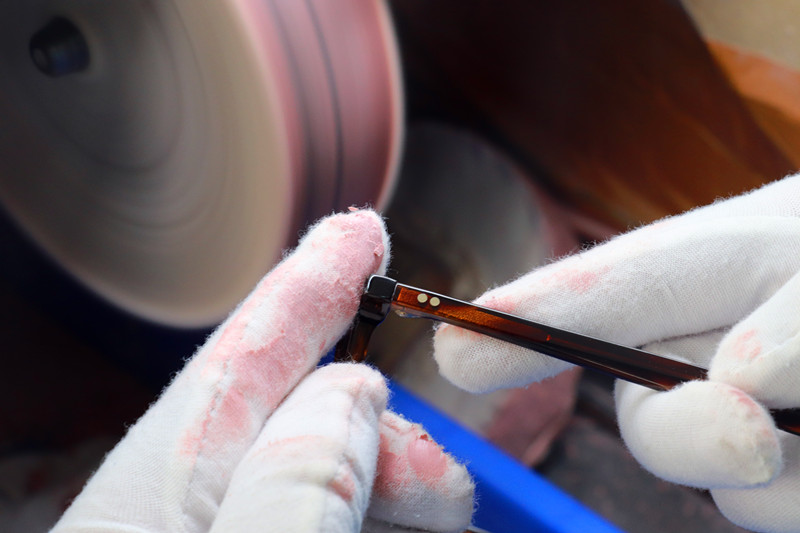
Custom Metal Glasses: OEM/ODM Manufacturing Essentials
For eyewear brands looking to launch or expand a metal glasses line, working with an experienced OEM/ODM manufacturer is critical to controlling quality, cost, and lead times.
OEM vs. ODM for Metal Eyewear
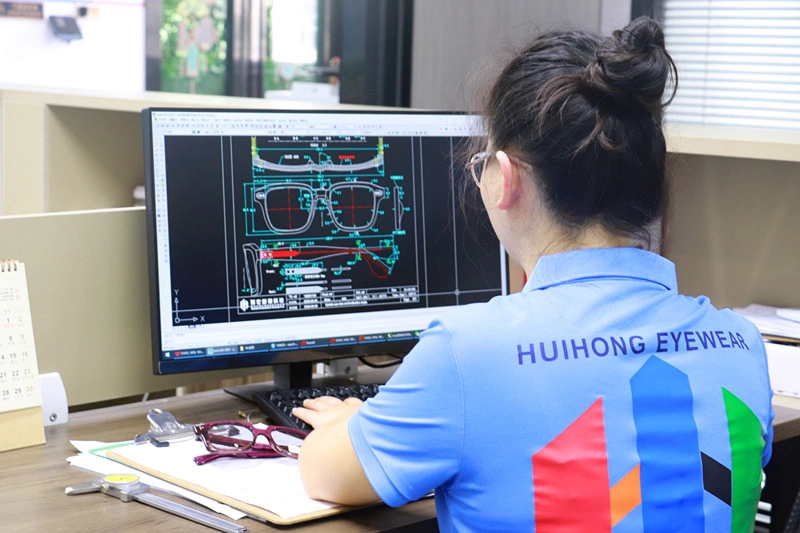
OEM (Original Equipment Manufacturing): You provide the complete design — technical drawings, 3D files, or reference samples — and the factory produces frames to your exact specifications. This model gives you full creative control and exclusive design ownership, ideal for established brands with in-house design teams.
ODM (Original Design Manufacturing): The manufacturer provides proven frame designs from its existing catalog, and you customize materials, colors, finishes, and branding. ODM speeds up time-to-market, reduces tooling costs, and works well for new brands or seasonal line extensions.
Key Quality Checks in Metal Frame Production
When sourcing custom metal glasses, pay close attention to these manufacturing details:
Hinge durability: Spring hinges should maintain consistent tension through thousands of open-close cycles.
Plating adhesion: Premium electroplating with proper base layers prevents chipping, fading, and skin discoloration.
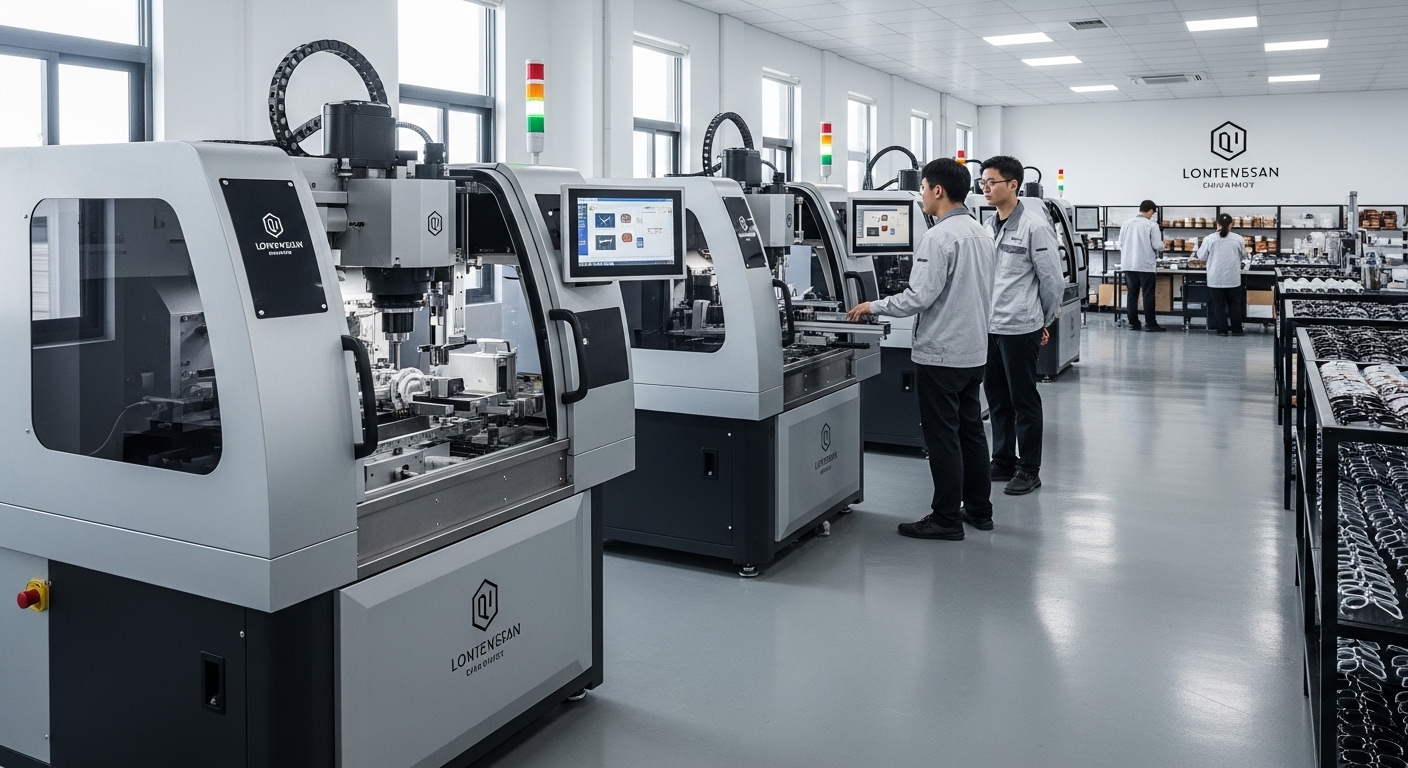
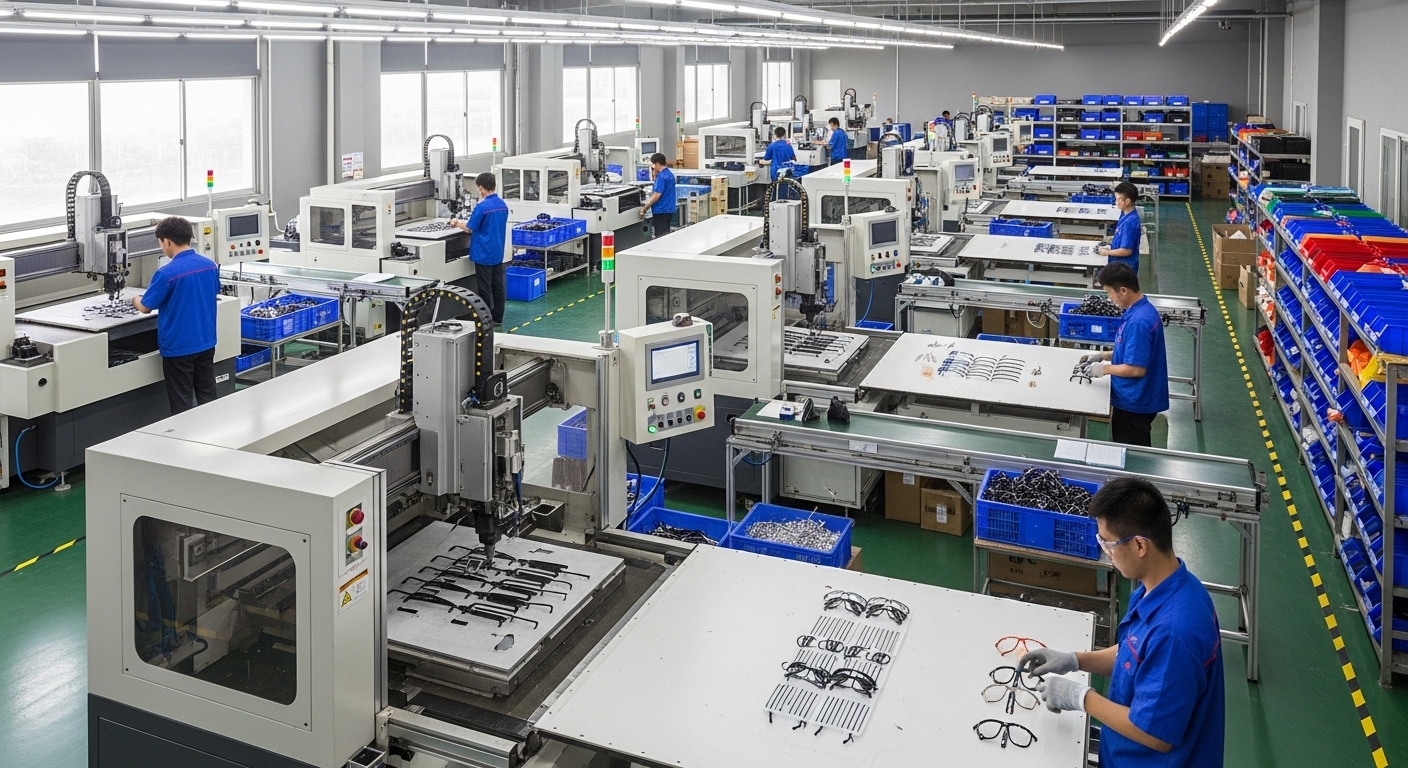
Dimensional precision: CNC-machined components should align cleanly with no gaps or misalignment at joints.
Surface finish: Uniform color, smooth edges, and no visible tool marks define quality metal eyewear.
Fit consistency: Mass-produced frames must match approved sample measurements within tight tolerances.
A reliable manufacturer will provide a full quality report with each sample batch and conduct in-line inspections throughout production.
Final Thoughts
Metal glasses continue to earn their place as a core category in eyewear because they deliver on three fronts consumers care about most: style, durability, and comfort. Whether you are evaluating materials for your next collection or sourcing a manufacturing partner, understanding the differences between stainless steel, titanium, memory metal, and alloy frames will help you make smarter product decisions.
If you are developing a premium metal glasses line and need a partner with expertise in high-precision OEM/ODM production, working with a manufacturer that handles design, tooling, plating, and quality control in-house ensures consistent results from prototype to full production.