In the luxury market, quality is not just a feature—it is the foundation of your brand reputation. When customers pay a premium price for a pair of luxury glasses, they expect nothing less than flawless craftsmanship, exceptional durability, and perfect attention to detail. A single quality issue can destroy the trust that takes years to build, leading to negative reviews, lost customers, and long-term damage to your brand.
The impact of poor quality on luxury brands cannot be overstated. In today’s digital age, a single dissatisfied customer can share their experience with millions of people through social media and online review platforms. Studies show that 88% of consumers trust online reviews as much as personal recommendations, and a single negative review can cost a business up to 30 customers. For luxury brands, which rely heavily on word-of-mouth and brand loyalty, the impact is even more severe. A product with a loose screw, peeling plating, or misaligned lenses not only results in a lost sale but also tarnishes the brand’s image as a provider of premium products.
Maintaining consistent quality in eyewear production is particularly challenging due to the high proportion of handcrafted processes involved. Even with advanced automation, many critical steps in luxury eyewear production—such as hand polishing, acetate lamination, and hinge installation—still require the skill and precision of experienced artisans. While skilled craftspeople can produce exceptional work, human error is inevitable, and even the most experienced artisans can produce slight variations between pieces. Without a robust quality control system, these variations can result in inconsistent fit, finish, and performance across production runs.
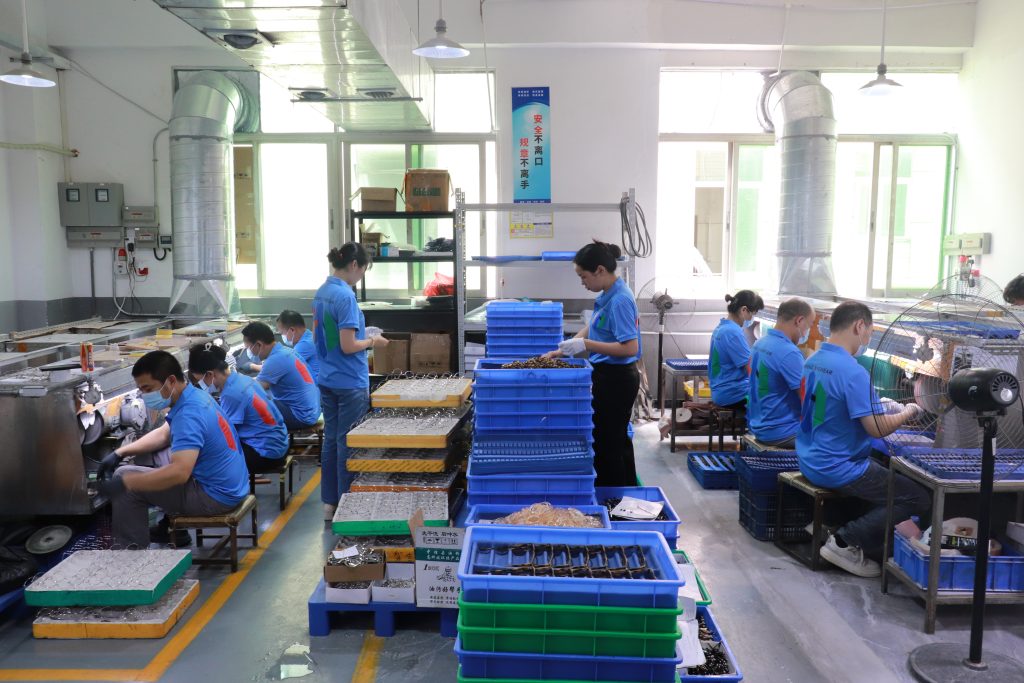
Many brands attempt to manage quality independently but lack the necessary expertise, equipment, and processes. They often rely solely on a final inspection before products are shipped, which is too late to catch most issues. By the time a defect is discovered at the final inspection stage, hundreds or even thousands of defective units may have already been produced, resulting in costly rework or scrap. This approach also fails to address the root causes of quality problems, leading to recurring issues that erode customer trust over time.
Specialized high-end eyewear OEM manufacturers understand that quality cannot be inspected into a product—it must be built into every stage of the production process. Leading manufacturers implement comprehensive ISO 9001-certified quality management systems that cover every aspect of their operations, from raw material procurement to final product shipping. These systems are designed to prevent defects from occurring in the first place, rather than just catching them after they happen.
The quality control process begins with incoming material inspection (IQC). All raw materials—including acetate sheets, titanium bars, hinges, screws, and lenses—are inspected upon arrival to ensure that they meet the manufacturer’s strict specifications. Materials that fail inspection are rejected and returned to the supplier, preventing defective materials from entering the production process. This is particularly important for luxury eyewear, as the quality of the raw materials directly impacts the final product’s appearance, durability, and performance.
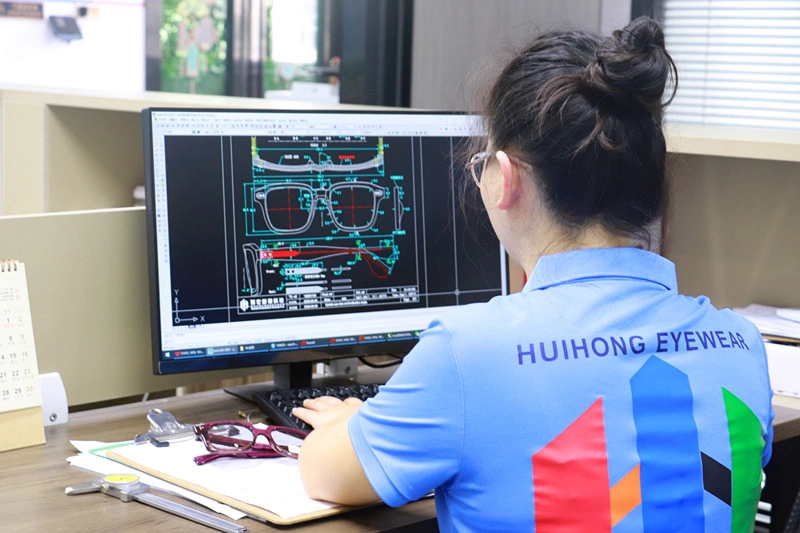
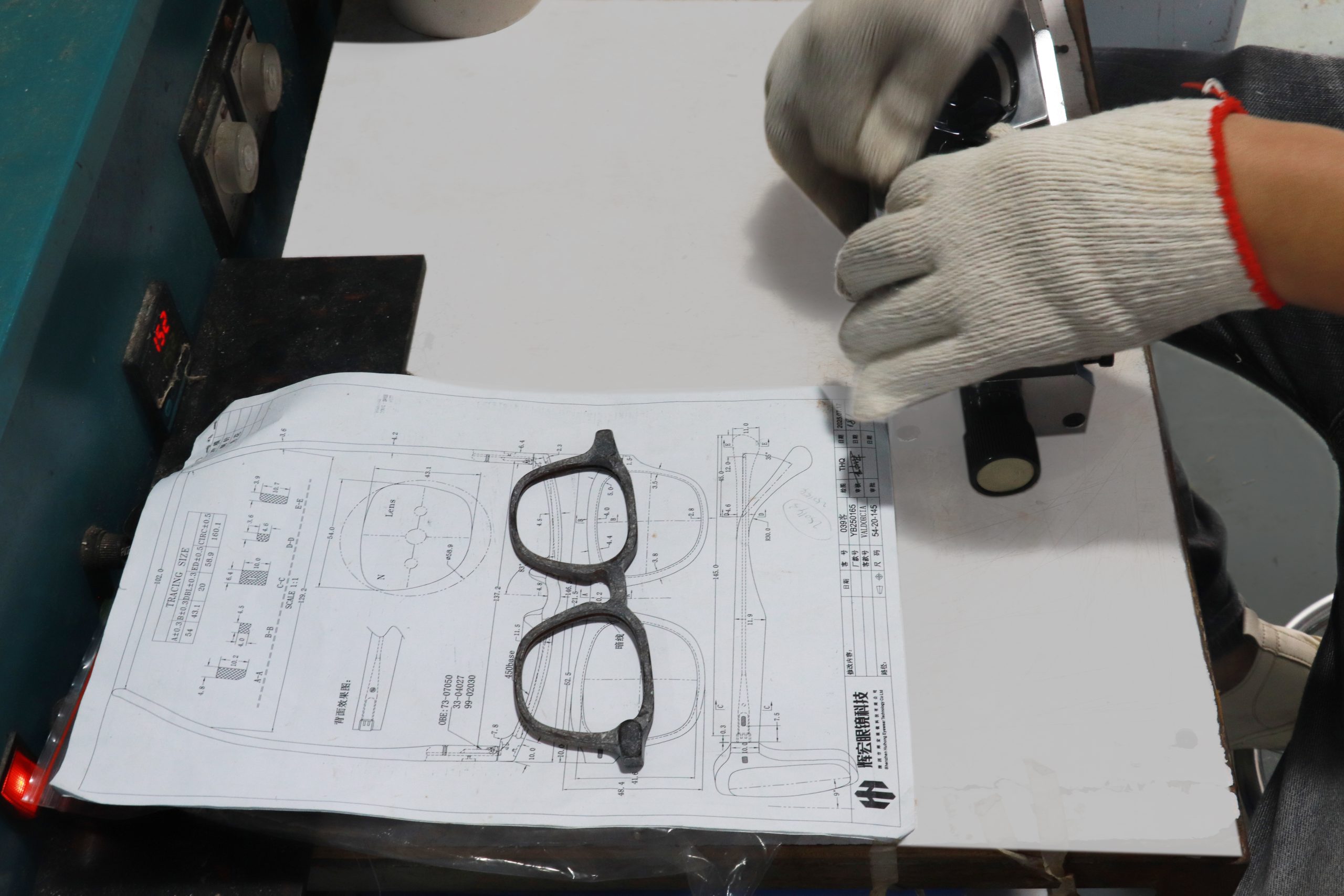
During production, manufacturers implement in-process quality control (IPQC) at every critical stage. Trained quality control inspectors monitor the production process continuously, checking dimensions, fit, finish, and functionality at regular intervals. Any issues that are identified are addressed immediately, and the production process is adjusted to prevent the issue from recurring. For example, if inspectors notice that a batch of frames has inconsistent temple tension, the production team will adjust the hinge installation process to correct the problem before more frames are produced.
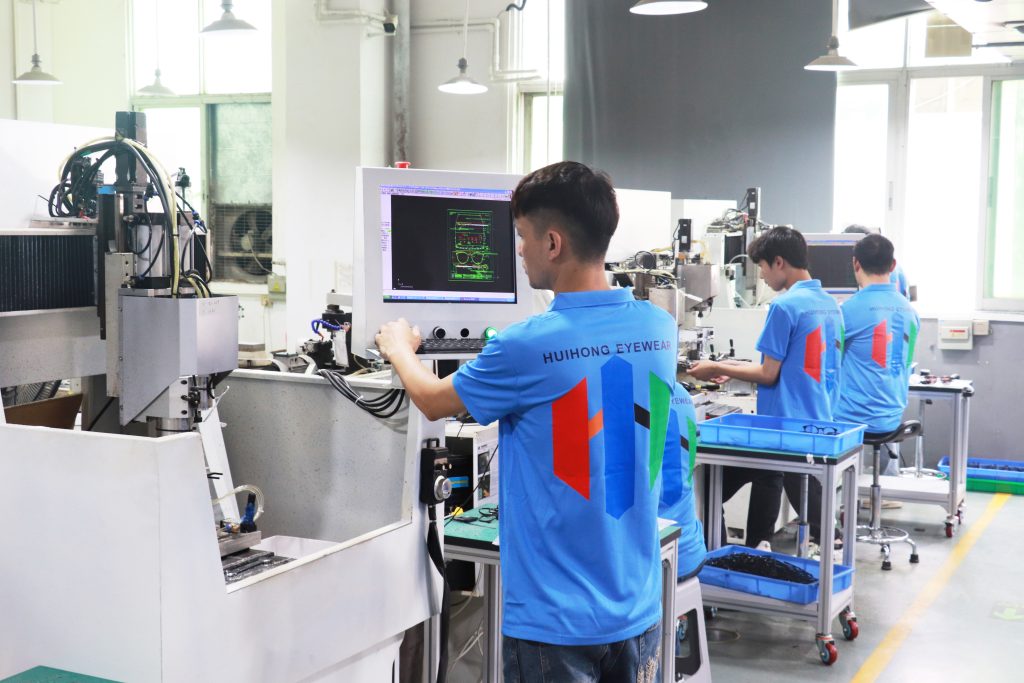
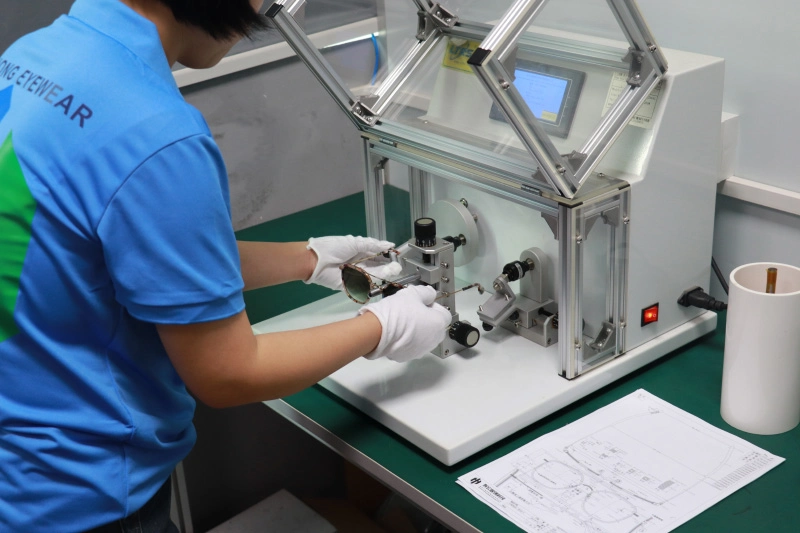
After production is complete, every unit undergoes a rigorous final quality control (FQC) inspection before being packaged. This inspection includes checks for optical performance, mechanical strength, finish quality, and overall appearance. Frames are tested for impact resistance, UV protection, and durability to ensure that they meet all applicable international standards. Only units that pass this final inspection are approved for shipping.
In addition to these standard quality control processes, leading luxury eyewear manufacturers use advanced statistical process control (SPC) techniques to monitor and improve production quality over time. SPC involves collecting and analyzing data from the production process to identify trends and variations that could lead to defects. By addressing these variations proactively, manufacturers can continuously improve their processes and reduce defect rates to extremely low levels—often less than 0.5% for premium products.
The benefits of consistent quality extend far beyond just avoiding negative reviews. Brands that consistently deliver high-quality products enjoy higher customer loyalty, lower return rates, and stronger brand equity. They can command higher prices and attract more discerning customers who are willing to pay a premium for quality and craftsmanship. By partnering with a specialized high-end eyewear manufacturer that prioritizes quality, you can ensure that every pair of glasses that bears your brand name meets the highest standards of excellence, building a reputation for quality that will drive your business success for years to come.