Expanding into international markets is a key growth strategy for most luxury eyewear brands. However, selling products globally comes with a complex web of regulatory requirements that vary significantly from country to country. A single misstep in compliance can result in customs detention, hefty fines, product recalls, and irreparable damage to your brand reputation—mistakes that can cost brands hundreds of thousands of dollars and set back market entry by months or even years.
The regulatory landscape for eyewear is particularly complex because products are classified as both fashion accessories and medical devices in many jurisdictions. This means they must meet strict standards for both safety and performance. For example, in the United States, sunglasses and prescription eyewear are regulated by the Food and Drug Administration (FDA), which requires that all products meet specific impact resistance standards and provide accurate UV protection labeling. In the European Union, eyewear must comply with the CE marking directive, which includes requirements for optical performance, mechanical strength, and chemical safety.
Chemical safety is one of the most challenging areas of compliance for eyewear brands. The EU’s REACH regulation restricts the use of more than 2,000 hazardous substances in consumer products, including heavy metals like nickel, lead, and cadmium that are commonly used in plating and frame materials. Even trace amounts of these substances can result in products being rejected at the border. California’s Proposition 65 imposes similar restrictions and requires warning labels for products containing certain chemicals. For brands selling in multiple markets, keeping track of all these different chemical restrictions is a full-time job.
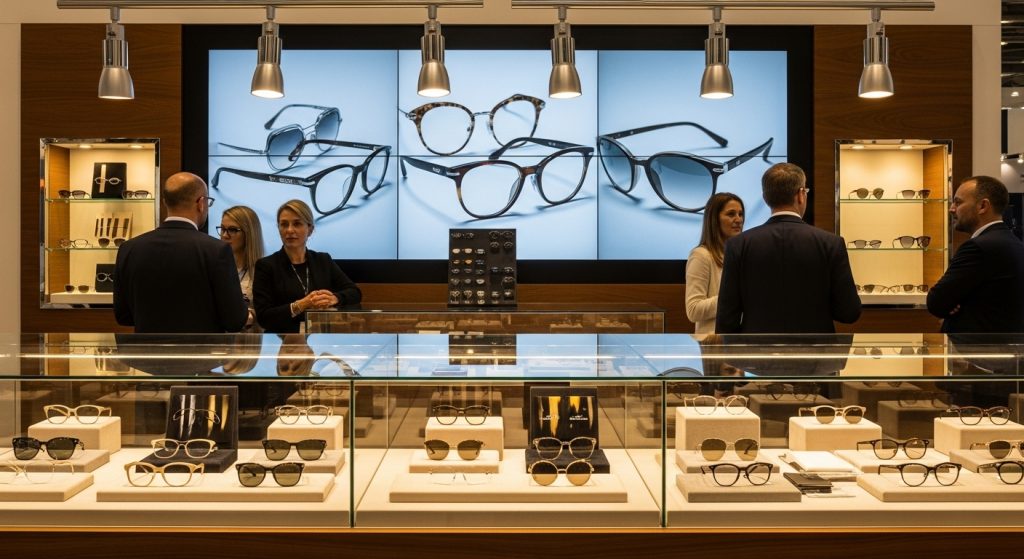
Optical performance is another critical area of compliance. All eyewear products must meet strict standards for refractive power, prism deviation, and visual acuity. For prescription eyewear, even a small error in lens power can cause headaches, eye strain, and vision problems for the wearer. Sunglasses must provide adequate protection against UVA and UVB radiation, with many markets requiring that products block 99-100% of UV rays up to 400 nanometers (UV400). Failure to meet these standards can not only result in regulatory action but also lead to costly lawsuits from injured consumers.
Labeling and documentation requirements also vary widely between markets. Most countries require that eyewear products be labeled with the manufacturer’s name, country of origin, lens category, and UV protection level. Some markets also require specific warning labels, such as warnings about the dangers of looking directly at the sun with sunglasses. In addition to product labeling, brands must maintain extensive technical documentation demonstrating compliance with all applicable standards, which must be made available to regulatory authorities upon request.
For many brands, navigating this complex regulatory landscape independently is overwhelming. It requires hiring specialized compliance staff, investing in expensive testing equipment, and spending countless hours researching and interpreting regulations in different countries. Even with these resources, it’s easy to make mistakes, especially as regulations are constantly evolving.
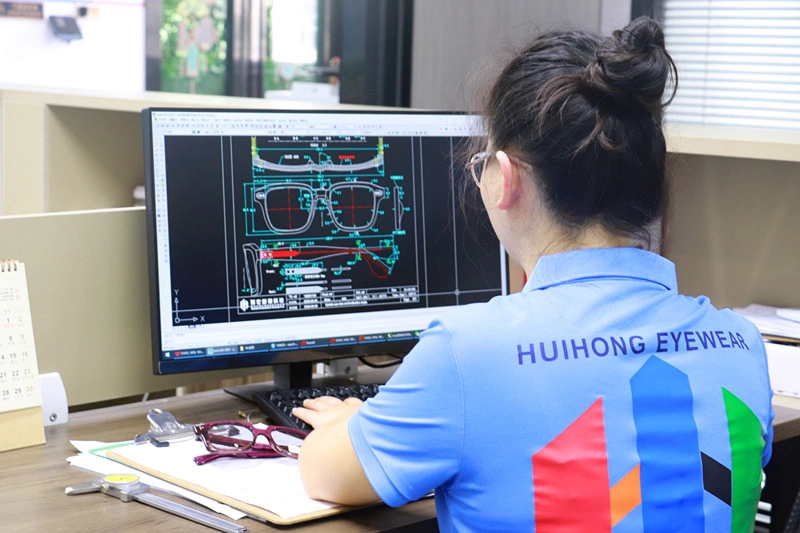
This is where a specialized luxury eyewear manufacturer becomes an invaluable partner. Leading high-end eyewear OEMs employ dedicated compliance teams that stay up-to-date on all global regulatory changes. They understand the nuances of each market’s requirements and can guide brands through the entire compliance process, from product development to market entry.
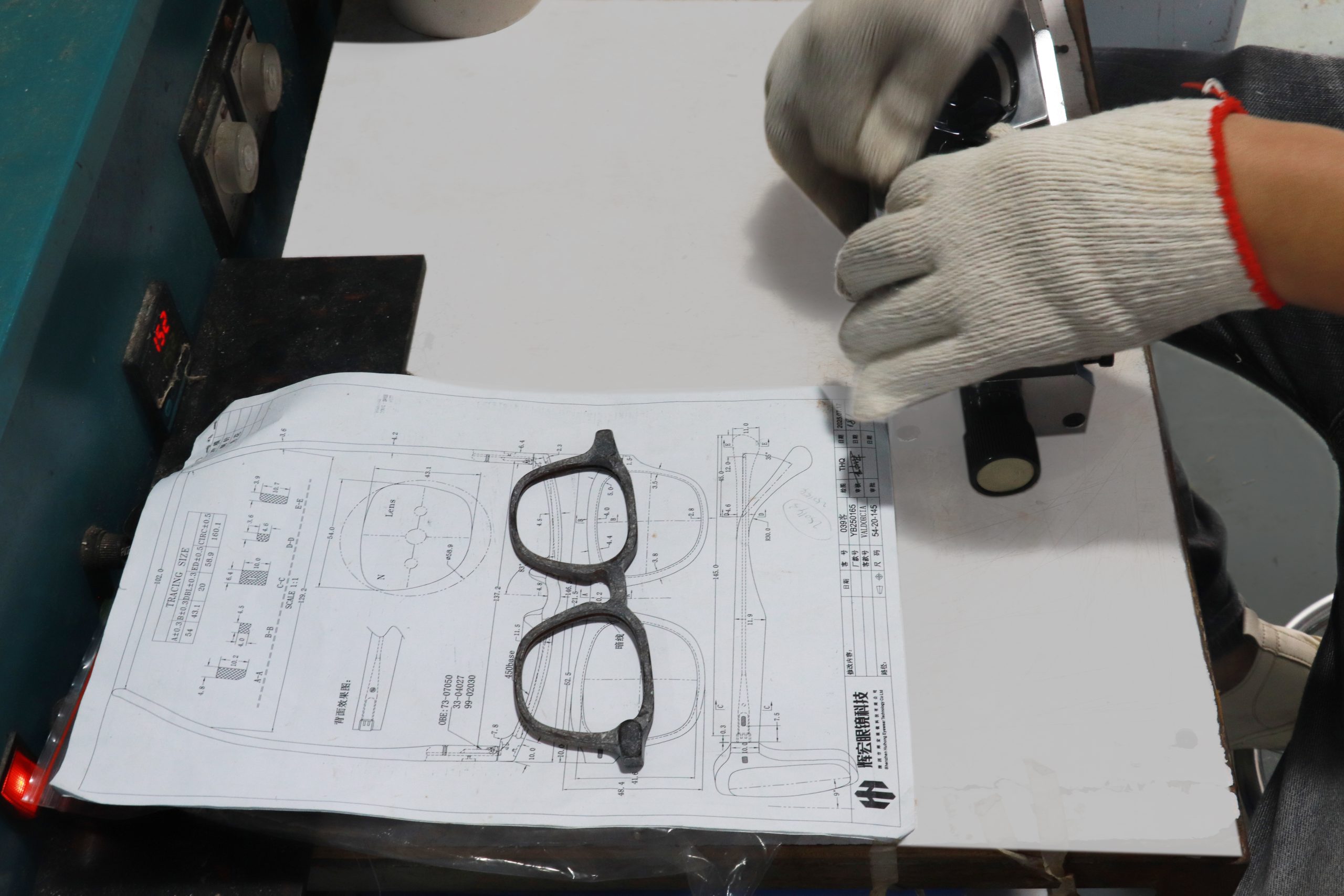
Compliance starts at the very beginning of the product development process. Professional manufacturers only source materials from suppliers that meet international safety standards, and they conduct rigorous incoming material testing to ensure compliance with chemical restrictions. They maintain detailed documentation for all materials, including certificates of analysis and safety data sheets, which are essential for demonstrating compliance to regulatory authorities.
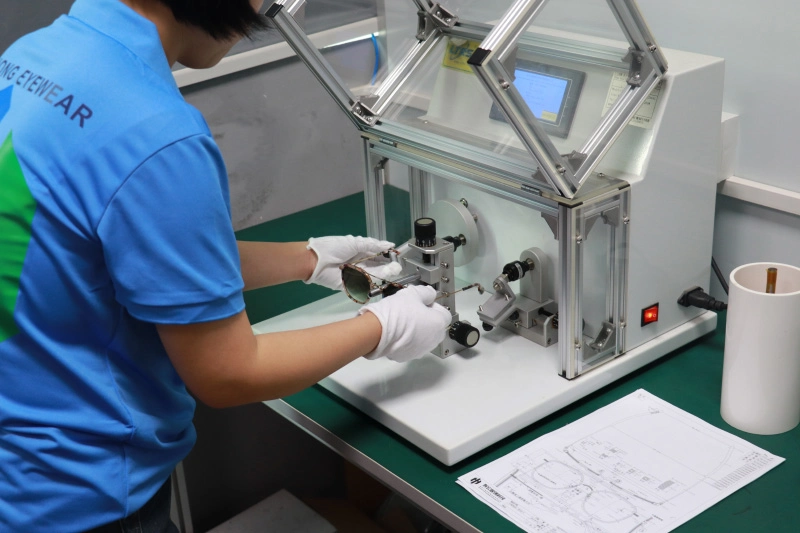
During production, manufacturers implement strict quality control processes to ensure that every product meets the required optical and mechanical standards. They use advanced testing equipment to measure lens power, UV protection, impact resistance, and durability. All testing is conducted according to internationally recognized standards such as ISO 12870 for ophthalmic frames and ISO 12312 for sunglasses.

In addition to in-house testing, leading manufacturers work with independent third-party testing laboratories to certify their products. They can manage the entire certification process on behalf of their clients, including submitting samples, preparing technical documentation, and obtaining the necessary certifications such as CE marking, FDA clearance, and Australian RCM certification. This saves brands significant time and resources and ensures that products are fully compliant before they are shipped.
Perhaps most importantly, specialized manufacturers proactively monitor global regulatory changes and update their processes and standards accordingly. This means that brands can be confident that their products will remain compliant even as regulations evolve. Whether you are entering the European market for the first time or expanding into emerging markets in Asia and Latin America, partnering with an experienced luxury eyewear manufacturer ensures that your products meet all applicable compliance requirements, allowing you to focus on growing your business rather than navigating regulatory red tape.