For independent brands and optical retailers, inventory is the ultimate double-edged sword. Too little, and you lose sales. Too much, and you bleed cash.
For most eyewear businesses, the numbers tell a painful story. A typical optical store carries 900–1,000 SKUs on display, with traditional retailers often exceeding 1,000 SKUs. Yet a healthy optical should turn its inventory at least three times within a 12-month period. Many fall far short—tying up capital in frames that gather dust while trend-driven styles sell out and can’t be replenished fast enough.
The culprit? A rigid supply chain built on high minimum order quantities (MOQs) and long lead times.
The Real Cost of Traditional Eyewear Sourcing
Traditional wholesale models force retailers into impossible choices. Commit $5,000–$10,000 to 300–500 units of a single style—or pass on premium suppliers entirely. For independent brands and boutique retailers, this isn’t just inconvenient. It’s a direct threat to cash flow and profitability.
When you’re locked into bulk orders, every unsold frame represents:
Capital that could have been invested in better-selling styles
Warehouse space occupied by slow-moving inventory
Markdowns and margin erosion when styles go out of season
And in fashion eyewear, styles move fast. Translucent colors dominate one season; deep tortoiseshells take over the next. By the time your bulk order arrives, consumer preferences may have already shifted.
The Flexible Supply Chain Difference
This is where a flexible supply chain transforms the equation. Instead of placing large, infrequent orders based on guesswork, you shift to a model built on three pillars:
1. Low MOQ = Low Risk
Low minimum order quantities eliminate the financial barrier to testing new styles. Instead of betting your entire purchasing budget on a narrow selection, you can order 20–50 units per style and diversify across five or six options. If one style underperforms, it represents a small fraction of your total investment—not a crisis.
More importantly, low MOQs enable data-driven buying. Order small quantities, observe actual sales performance for 2–3 weeks, then reorder only the winners. You’re making decisions based on real customer behavior, not supplier marketing or personal intuition.
2. Fast Restock = Never Miss a Trend
A flexible supply chain doesn’t just let you order small—it lets you order often. When a style takes off, you can restock quickly while demand is still hot. When a trend fades, you’re not sitting on hundreds of unsold units.
This agility is critical for retailers operating under tight fulfillment windows. Suppliers with responsive production capabilities and in-stock inventory can turn around replenishment orders in days rather than weeks.
3. Agile Manufacturing = Speed to Market
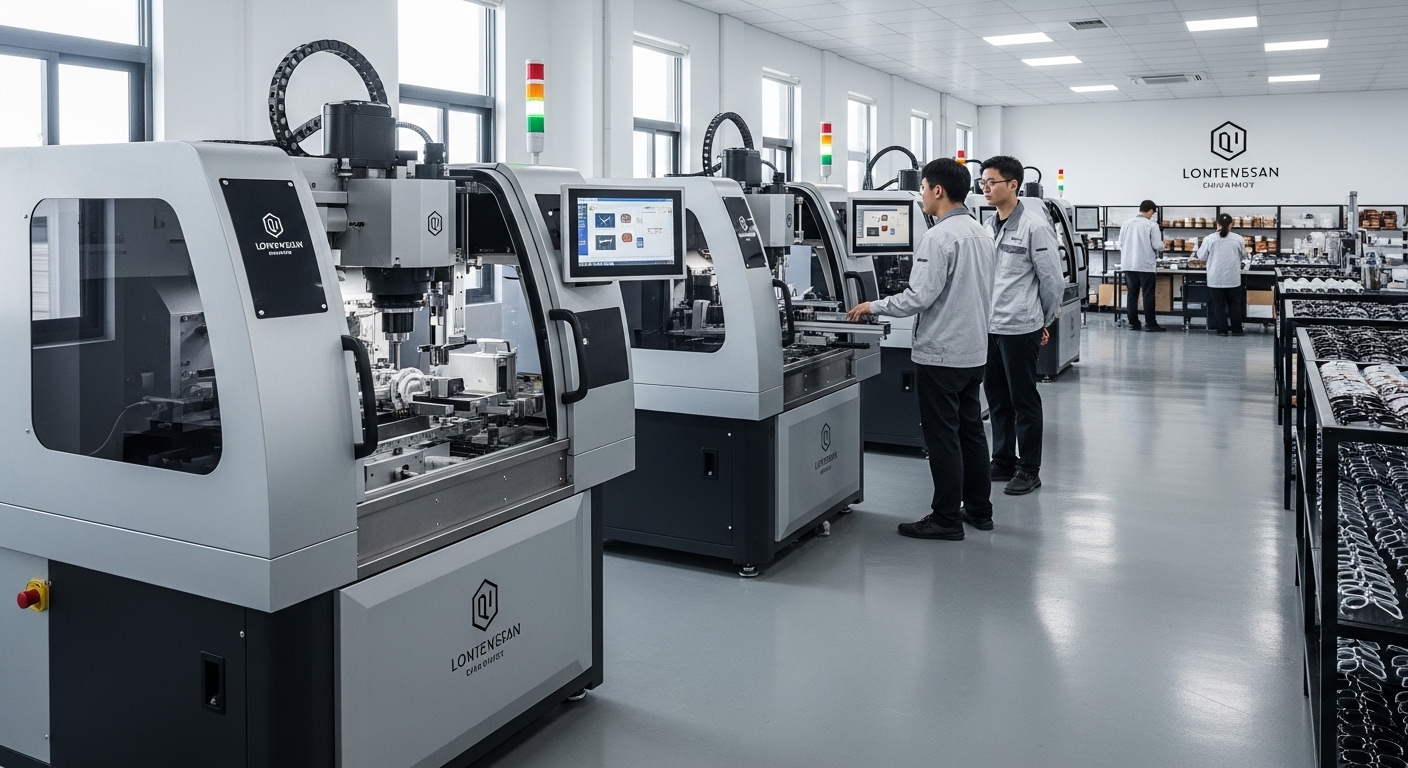
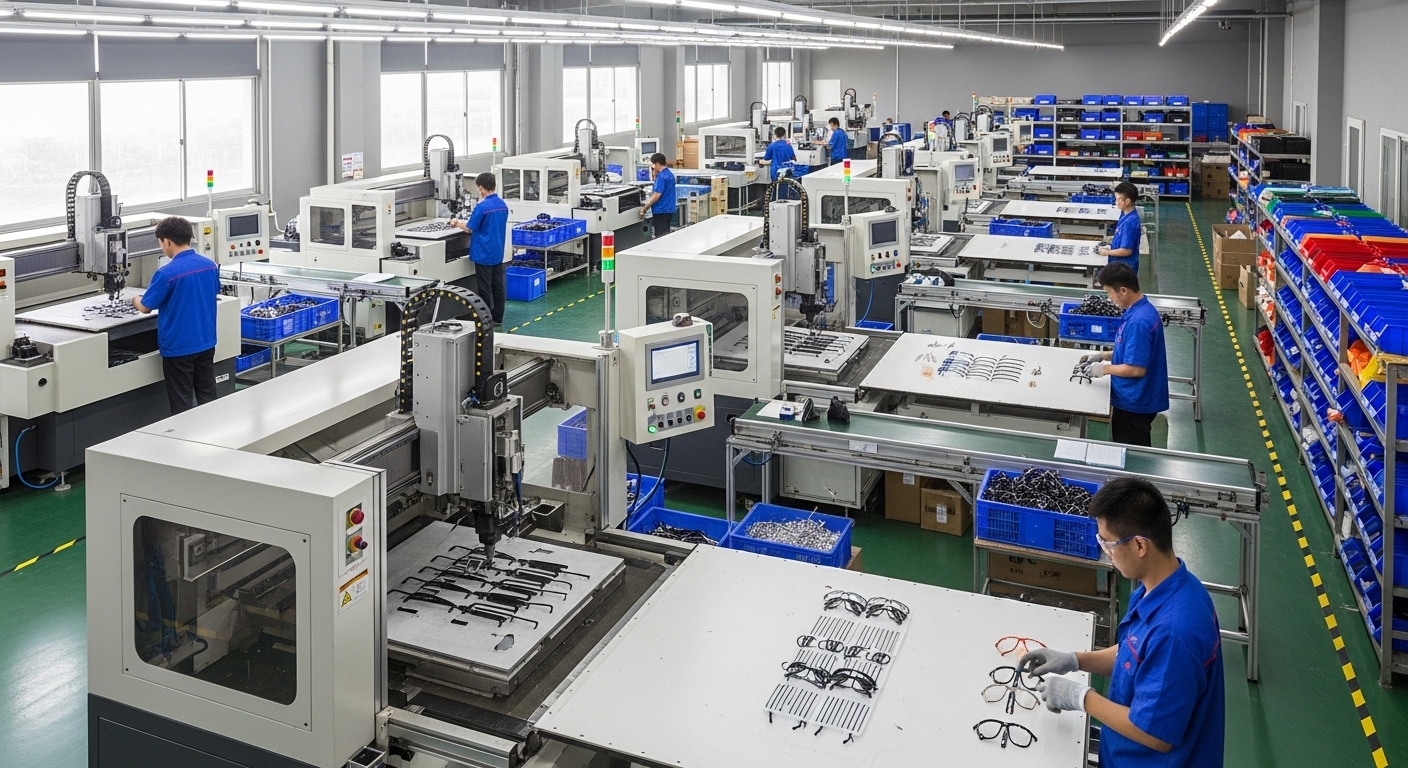
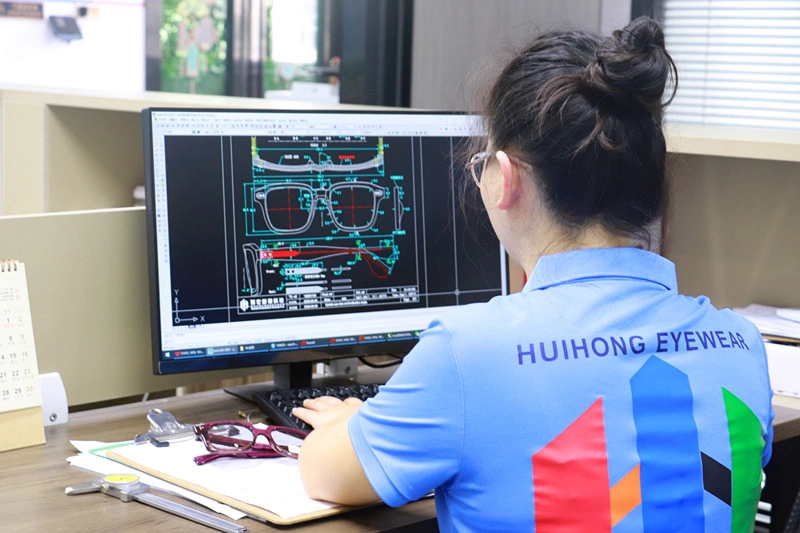
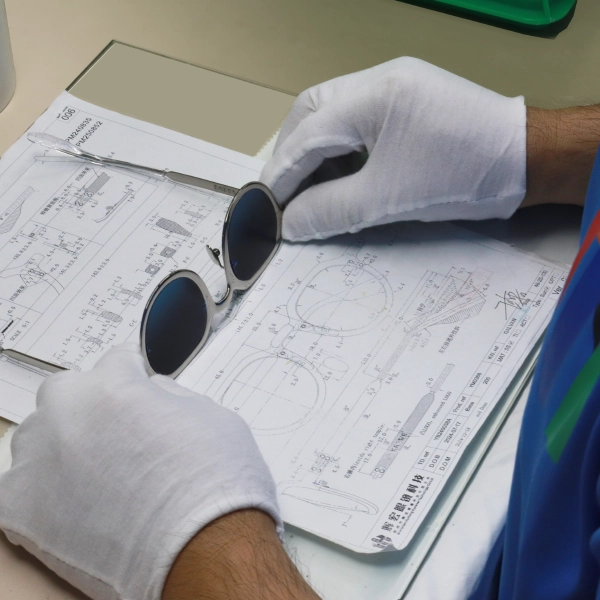
The traditional eyewear cycle—design, factory order, retail—can take three months or more. A flexible supply chain compresses this dramatically. With integrated production capabilities (acetate processing, metal frame assembly, titanium finishing) and in-house quality control, lead times shrink from months to weeks.
Some manufacturers have compressed production from raw material to finished, packaged eyewear to as little as 24 hours. While not every order requires that speed, the capability means you’re never waiting longer than necessary.
From 1x to 3x: How 200% Becomes Reality
Here’s how the math works. If your current inventory turnover is 1.0 (meaning you sell your entire inventory once per year), moving to 3.0 represents a 200% increase.
A flexible supply chain makes this achievable through:
Reduced order quantities: Less capital tied up per style means you can carry more styles with the same total inventory value—and sell through faster.
Faster replenishment: When best-sellers run low, you restock in days, not weeks. You never miss a sales window.
Data-driven assortment: Test, measure, reorder. Eliminate the guesswork that leads to dead stock.
The result? Higher turnover, better margins, and a healthier balance sheet.
Why Huihong Eyewear
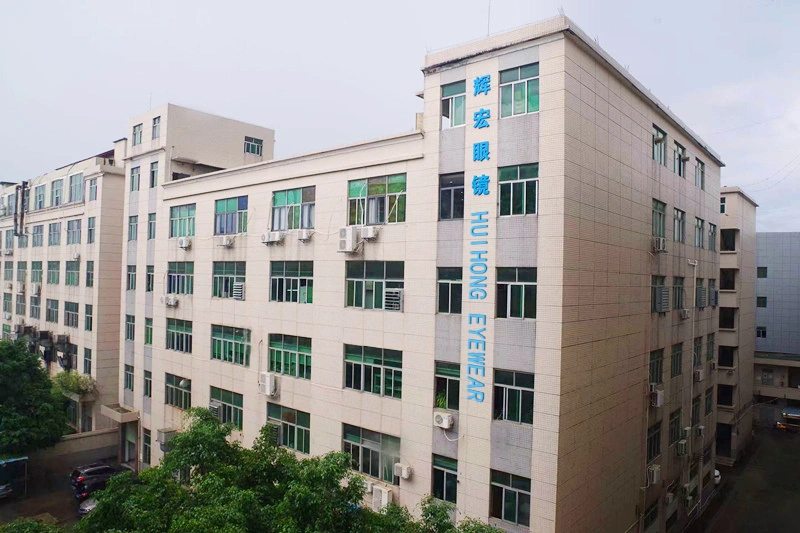
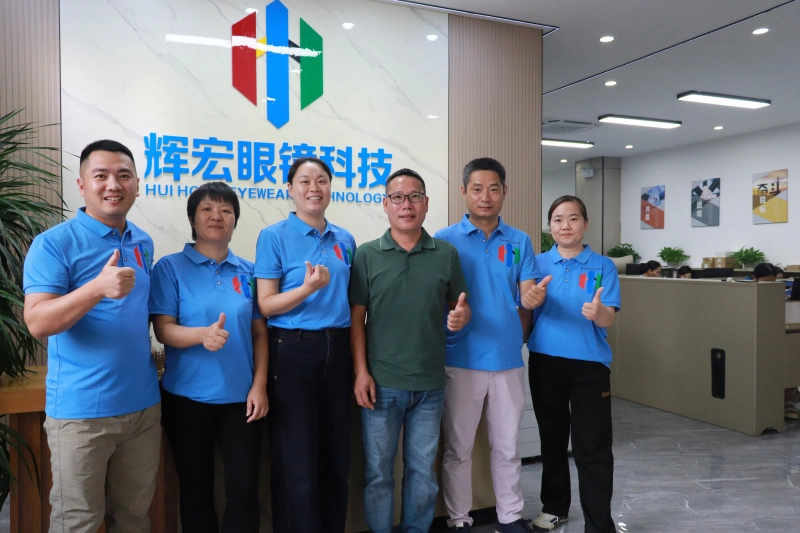
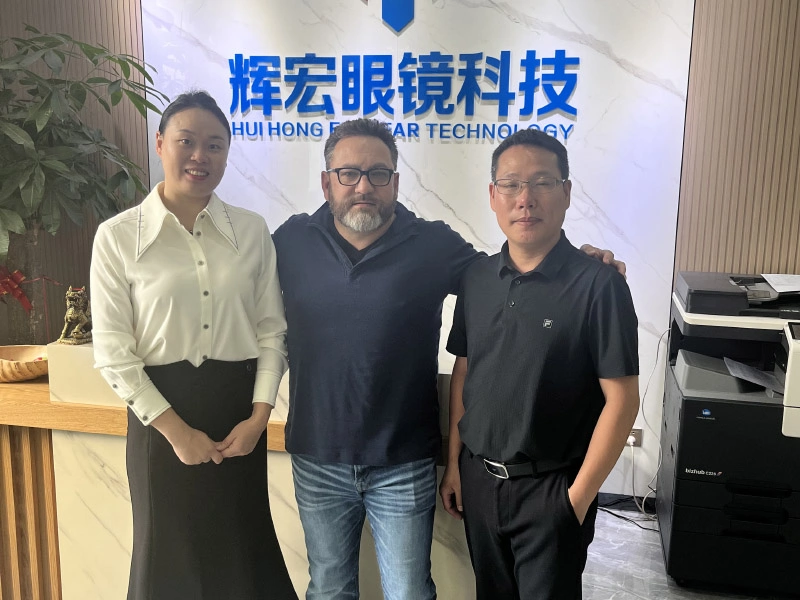
At Shenzhen Huihong Eyewear Technology Co., Ltd. , we’ve built our entire model around flexibility. Specializing in acetate, titanium, and metal frames, we support brands through every step—from concept prototyping to bulk delivery—with speed and precision.
Our low-volume, high-quality custom production means you can test new designs without overcommitting. Our deep experience with independent brands, designer labels, and premium retailers across Japan, Korea, Europe, and North America means we understand the pressure to stay ahead of trends while managing inventory risk.
We don’t just make frames. We make it possible for you to run a leaner, more profitable business.
Ready to turn inventory from a burden into an asset? Contact Huihong Eyewear to discuss how our flexible supply chain can work for your brand.