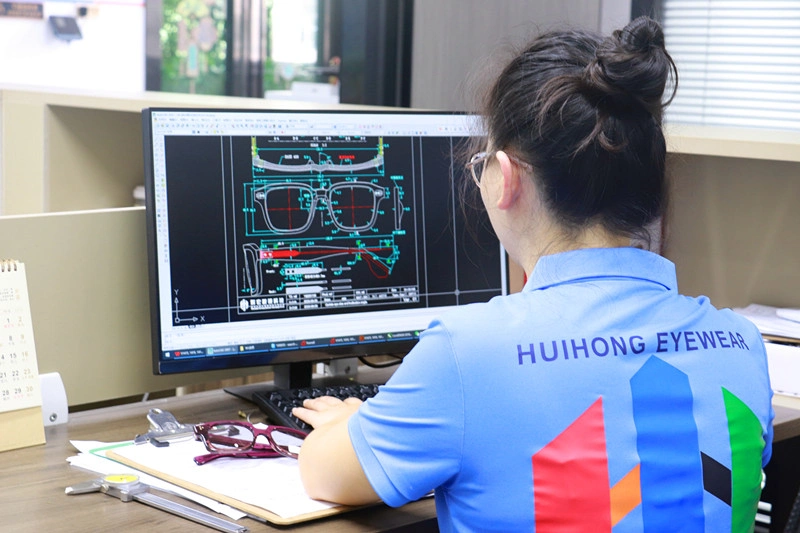
If you are sourcing high-end eyewear frames for an independent label, you have likely narrowed the conversation to two countries: China and Japan. Both produce world-class frames. Both serve luxury and designer brands. Yet they solve different problems for a brand. Choosing between a Chinese eyewear OEM factory and a Japanese one is not a question of “which is better.” It is a question of which manufacturing ecosystem aligns with your design language, order profile, and market positioning.
This guide breaks down the real differences—cost structure, MOQ, craftsmanship specialization, and supply chain behavior—so you can make a sourcing decision grounded in how each ecosystem actually operates.
The Two Ecosystems, Briefly
Japan’s eyewear manufacturing is concentrated in Sabae City, Fukui Prefecture, which produces roughly 95% of all Japan-made frames. The region is celebrated for titanium frame technology—it pioneered titanium eyewear in 1983—and for a division-of-labor craft system in which specialized workshops handle plating, cutting, finishing, and assembly across more than 200 production processes. “Made in Japan” carries a measurable premium: brands like Kaneko Optical command average retail prices well above the domestic norm, and Japanese-made frames routinely retail in the hundreds of dollars.
China’s eyewear manufacturing is not one ecosystem but several. Shenzhen (Henggang) is the country’s premier hub for mid-to-high-end and fashion-forward frames; Wenzhou offers vertically integrated metal and acetate production at scale; Xiamen specializes in injection-molded sunglasses; and Danyang dominates lens production. For brands pursuing high-end acetate and titanium OEM, Shenzhen and Wenzhou are the relevant comparison points—and the gap with Japan is narrower than legacy perceptions suggest.
Where Japanese Factories Excel—and Where They Constrain
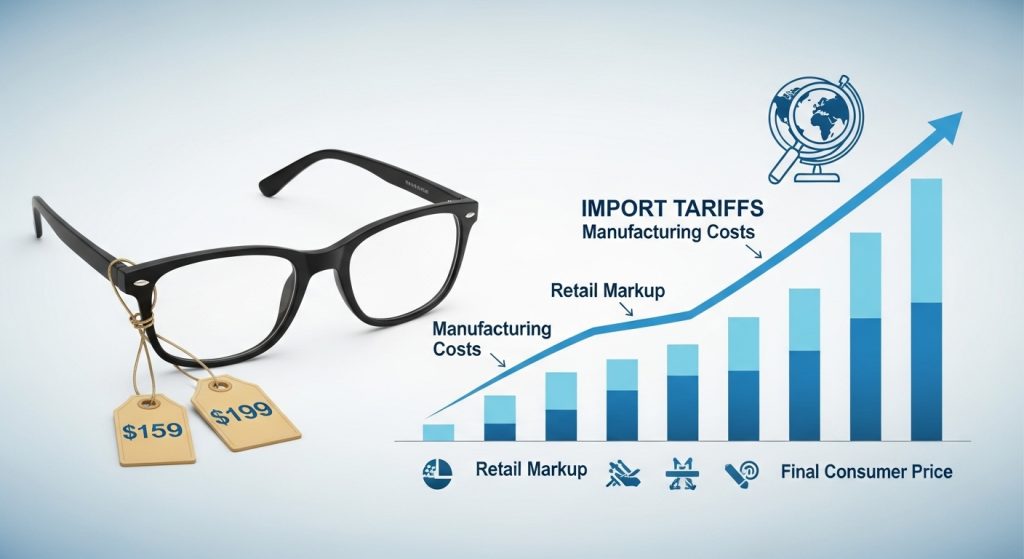
A Japanese OEM partner is the right conversation if your brand’s core value proposition rests on “Made in Japan” provenance as a selling point. The craft infrastructure in Sabae is genuinely rare: ultra-precise machining tolerances, deep titanium expertise, and finishing techniques refined over generations. For a luxury label whose customer reads the temple interior and expects to see “Made in Japan,” there is no substitute.
The trade-off is structural. Japanese eyewear production operates through networks of small specialized firms rather than vertically integrated factories. This fragmentation produces extraordinary craft but less flexibility on order volume and timeline. MOQs in Japan commonly start at 1,000 pieces per style to justify mold and process setup, and some manufacturers require custom color runs of 2,000 pieces or more. Development cycles are deliberate. For an established brand with proven designs and volume, this is manageable. For an emerging label, a designer testing a new silhouette, or a brand running multiple colorways across a tight collection calendar, the Japanese model can become a bottleneck.
There is also a shifting-market caveat. As demand for Japanese-made eyewear rises, securing production capacity has become increasingly difficult, even for brands already in the system. Access is not guaranteed by intent alone.
Where Chinese OEM Factories Have Closed the Gap
The most consequential change in eyewear sourcing over the past decade is that Chinese factories serving the high-end segment no longer compete on price alone. Shenzhen manufacturers now meet the requirements of mid-to-high-end and luxury brands for special designs, materials, and craftsmanship. The competitive advantage has shifted toward a combination of supply chain integration, customization flexibility, and responsive communication—capabilities that matter enormously to independent brands and designer labels.
On MOQ, the contrast with Japan is stark. Custom acetate and titanium OEM projects in China typically start at 300 pieces per style, with many factories offering sampling and small-batch trial runs well below that threshold. This means a brand can validate a shape, a color, and a fit before committing capital to a full production run. For independent designers and emerging labels, that flexibility is not a minor convenience—it is a structural enabler of collection planning.
Material access in China has also matured. High-end acetate from Italian Mazzucchelli and Japanese suppliers, titanium from Kobe Steel and Baoji Titanium, and specialized plating and finishing processes are all available within the same production ecosystem. The assumption that premium materials require a Japanese or European factory is increasingly outdated.
On lead time and communication, vertically integrated Chinese factories compress the development-to-delivery cycle. Sampling can move from approved design to prototype in weeks, and production runs are measured in 25–35 days for custom OEM work at many established factories. Just as importantly, the Shenzhen ecosystem has developed a class of manufacturers built specifically to serve international brands—English-language project management, design-file literacy, and a working rhythm aligned with Western collection calendars are part of the service model, not an afterthought.
The Decision Framework: Match the Factory to the Brand Stage and Story
The right question is not “China or Japan?” in the abstract. It is: what role does manufacturing origin play in your brand’s value proposition, and what order profile does your business model require?
Choose a Japanese OEM partner if: your brand’s identity is explicitly tied to Japanese craftsmanship, your customer expects “Made in Japan” and is willing to pay for it, your designs are finalized, and your volumes can sustain four-figure MOQs per style.
Choose a Chinese eyewear OEM factory if: you are building or scaling an independent brand, your collection requires multiple shapes and colorways at controlled volumes, you need design iteration and sampling flexibility, and you want access to premium acetate and titanium without the accessibility barriers of the Japanese craft system.
For a growing share of designer labels and premium independents, the Chinese high-end OEM model is the more practical fit—not because it is cheaper, but because it is built around customization as the operating principle rather than an exception.
Where Huihong Eyewear Fits
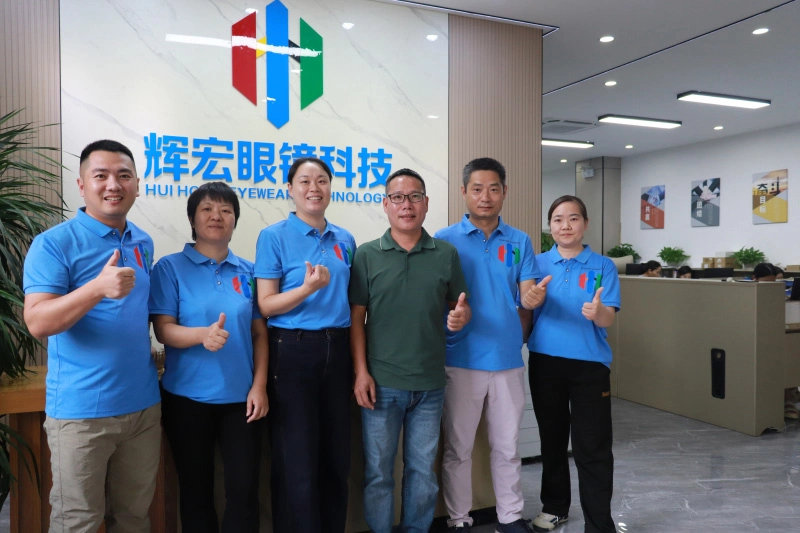
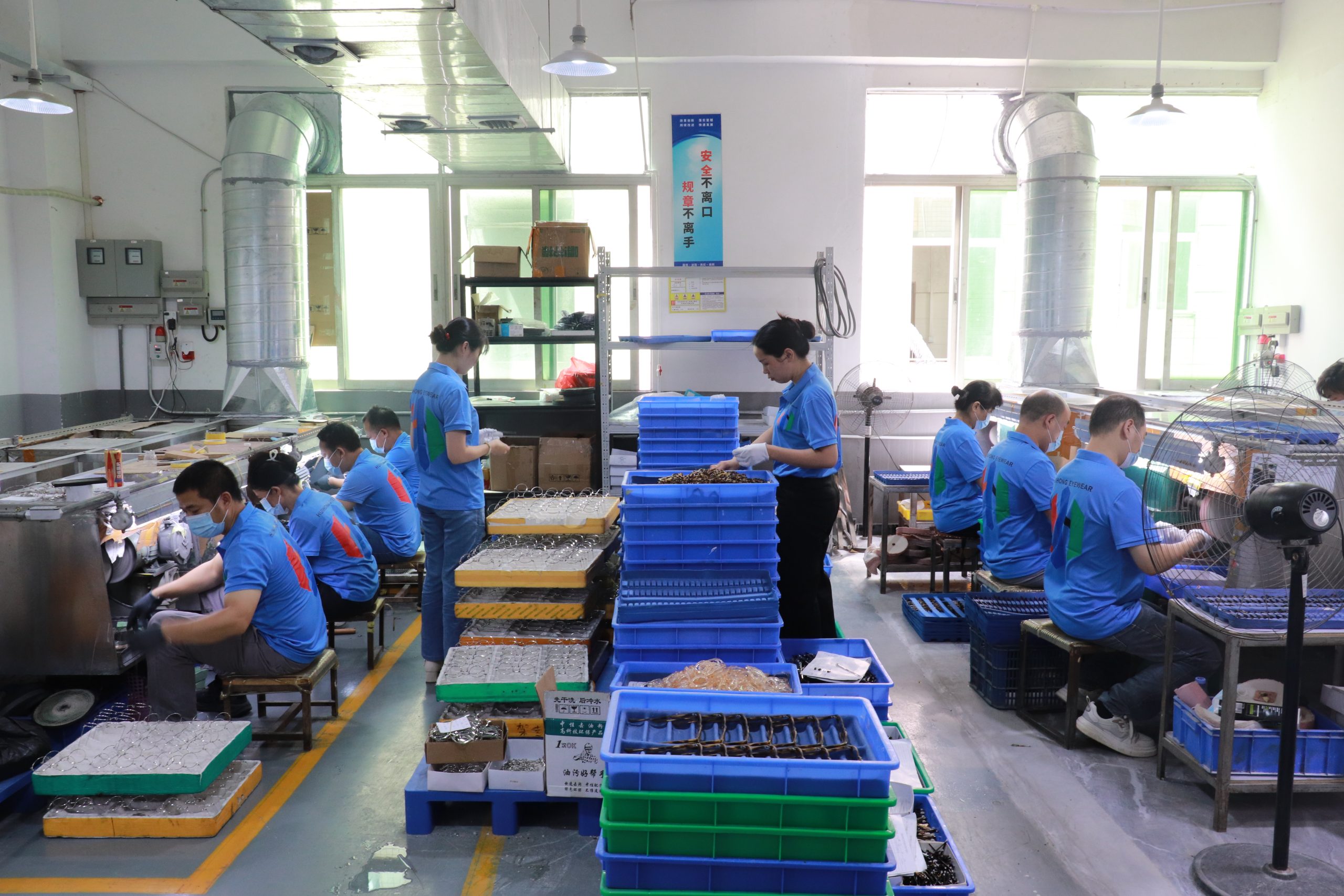
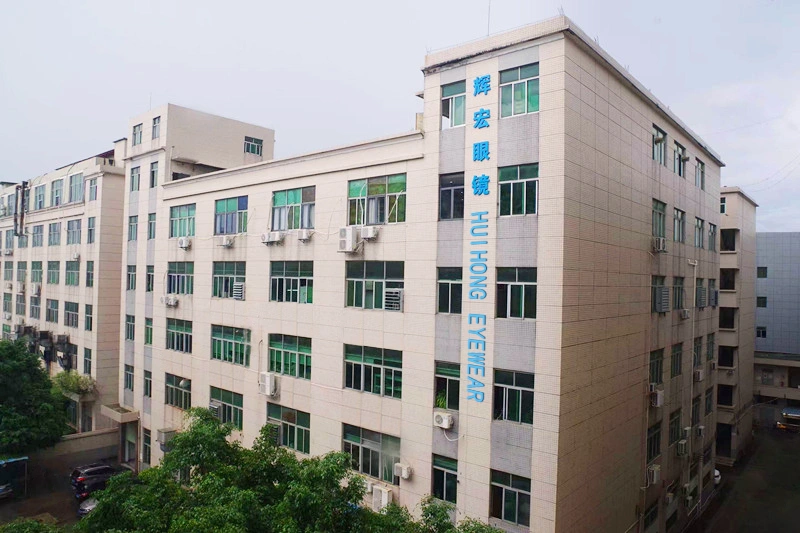
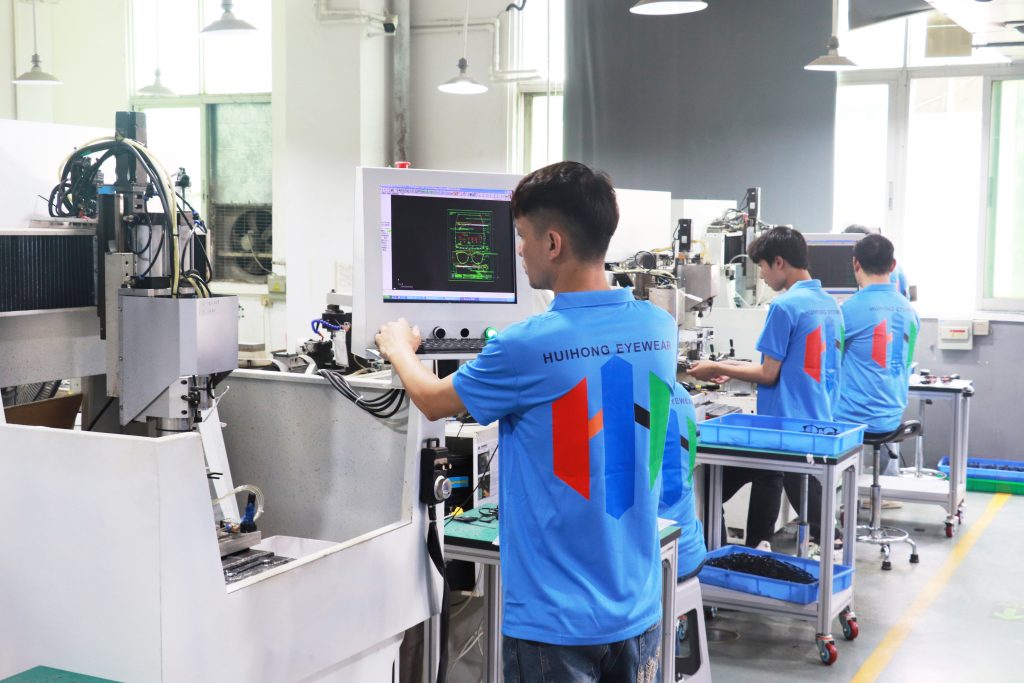
Huihong Eyewear is a specialized manufacturer dedicated to the design, development, and OEM/ODM production of high-end eyewear. We work exclusively on a custom-production basis—we do not sell ready-stock frames. Every project begins with a brand’s concept, design files, or reference vision, and moves through prototyping, material selection, and bulk production under one roof.
Our capabilities center on acetate, titanium, and metal frames, with deep experience in complex structures, custom color development, and finish specifications that meet the expectations of premium retail environments. From concept prototyping to bulk delivery, we support brands through every step with the flexibility, speed, and precision that independent labels and designer collections require.
Our clients span Japan, Korea, Europe, and North America. Many return not only for quality, but for the reliability of a partner who understands that custom eyewear is a collaborative development process, not a catalog transaction. If your brand needs a manufacturing partner who can translate a design vision into a production-ready high-end frame—without the volume barriers or accessibility constraints of the Japanese craft system—Huihong is built for that conversation.
A Final Note on “Fit”
The China-vs-Japan framing is useful for organizing a sourcing decision, but the eyewear industry’s center of gravity for custom, brand-driven production has shifted. Japan remains the reference point for titanium craft and “Made in Japan” provenance. China—and specifically the high-end OEM clusters in Shenzhen and the surrounding Pearl River Delta—has become the reference point for flexible, design-led custom manufacturing at a quality level that premium brands can stand behind. For most independent labels and designer collections, the better fit is the ecosystem that treats your design as the starting point, not the constraint. That is the standard Huihong Eyewear was built to meet.