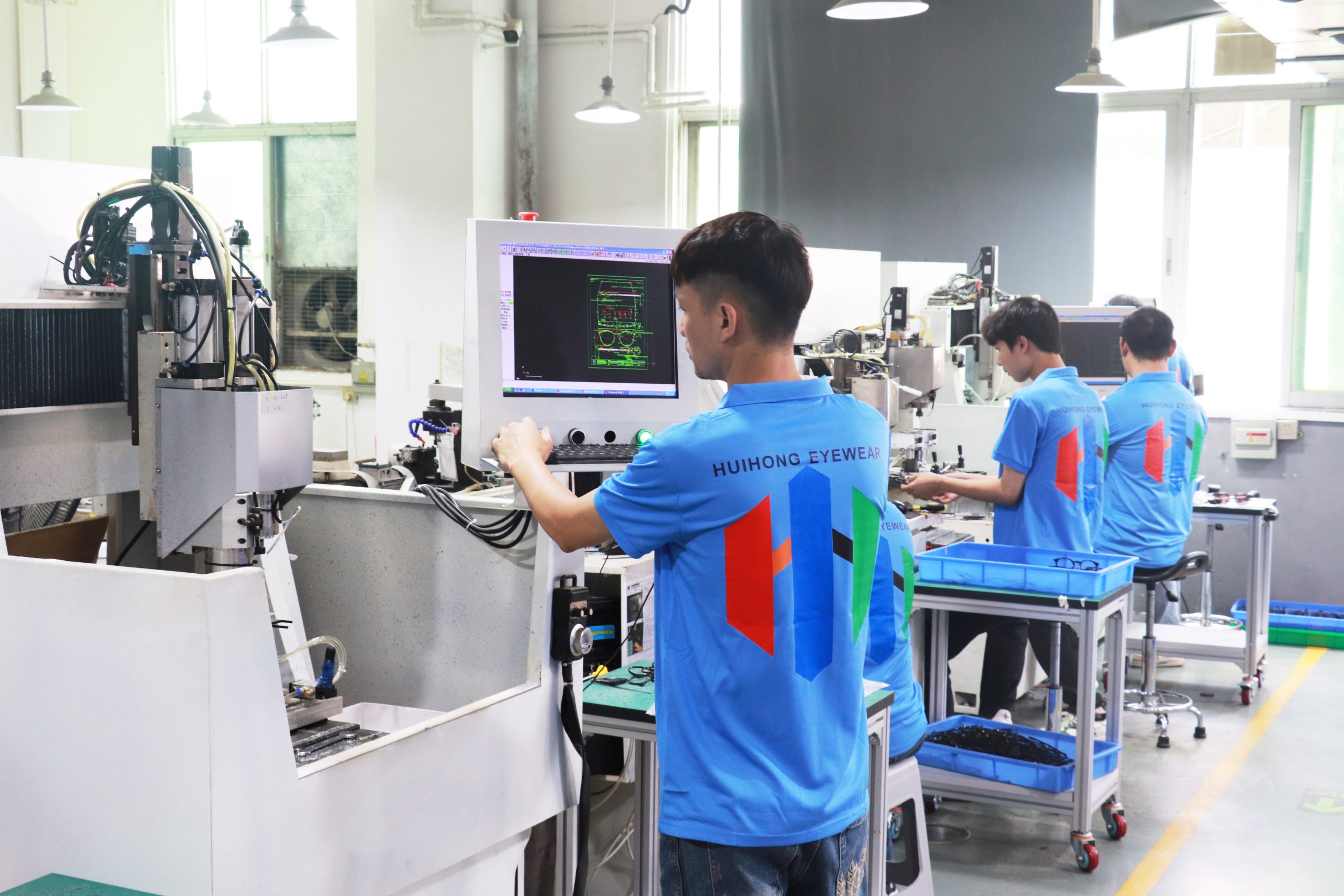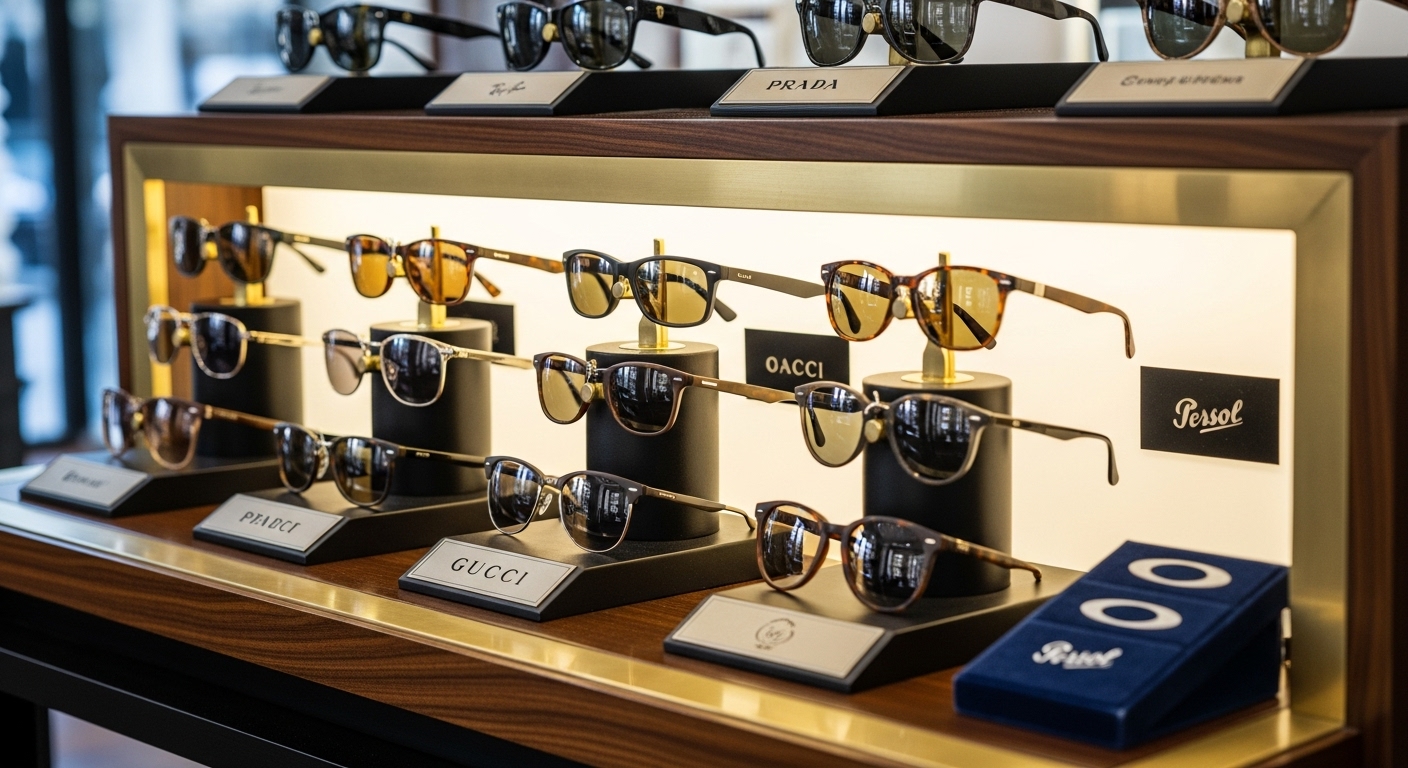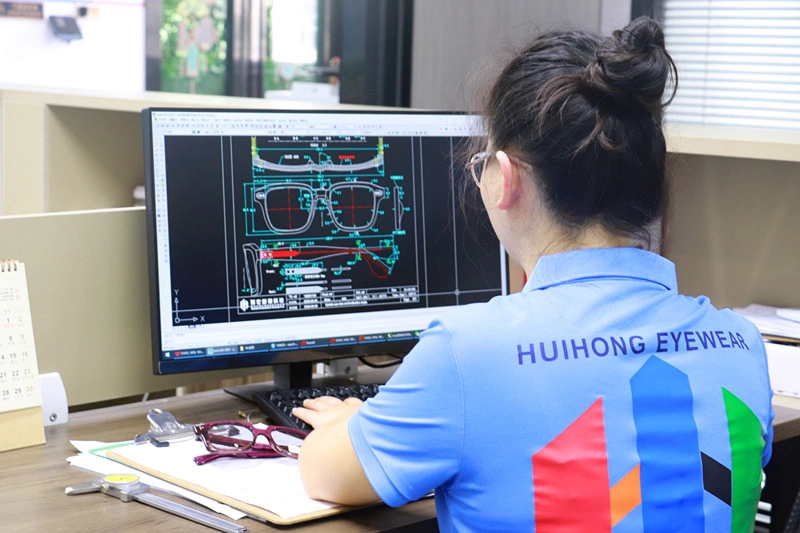
For independent optical shops, boutique retailers, and emerging eyewear brands, the choice of manufacturing partner is decisive. Your supplier for optical shops directly influences product quality, brand identity, inventory management, and customer loyalty.
Why Optical Shops Need a Reliable Eyewear Manufacturer
Today’s optical retailers are style curators. They need frames that combine durability, comfort, and design distinction. A capable eyewear manufacturer delivers more than just finished products—they provide:
Consistent quality – Premium materials like acetate, titanium, and metals ensure long-lasting performance.
Design flexibility – Whether you bring your own sketches or need design assistance, the right supplier turns concepts into tangible frames.
Low minimum order quantities (MOQs) – Independent shops often require small-batch production to test new styles and manage cash flow.
Dependable lead times – On-time delivery protects your retail planning and reputation.
OEM vs. ODM: Which Model Fits Your Business?
When evaluating a supplier for optical shops, understand the two primary service models:
OEM (Original Equipment Manufacturer) – You provide the design and specifications; the manufacturer produces frames exactly to your requirements. Ideal for brands with in-house design teams.
ODM (Original Design Manufacturer) – The supplier designs and produces frames that you brand and sell as your own. Perfect for launching private label collections without a full design studio.
Many premium manufacturers offer both, giving you the freedom to choose based on your collection strategy.

Key Factors When Selecting an Eyewear Partner
Not all optical manufacturers are equal. Look for these qualities:
Material expertise – Acetate offers rich colors and comfort; titanium provides lightweight strength; metal delivers classic durability. Your supplier should master all three and guide material choices wisely.
Global experience – Suppliers serving Japan, Korea, Europe, and North America understand diverse aesthetic preferences and quality benchmarks. This experience smooths collaboration and ensures your frames meet international standards.
End-to-end support – From prototyping and sampling to bulk production and logistics, a full-service partner reduces your operational burden and maintains consistency.
Trust and transparency – Honest communication, clear timelines, and shared values turn a vendor into a long-term partner. Many optical shops return to their preferred manufacturer not just for quality, but for reliability.
The Competitive Edge of Custom Manufacturing
Custom eyewear gives independent shops a clear advantage:
Brand differentiation – Exclusive designs set you apart from mass retailers.
Higher margins – Direct manufacturing cuts middleman costs and boosts profitability.
Customer retention – Unique frames build emotional connections and encourage repeat visits.
Conclusion
Your choice of supplier for optical shops shapes every aspect of your business—from product appeal to operational efficiency. Prioritise manufacturers with proven material expertise, flexible production, and a commitment to partnership.