
When shopping for high-quality eyewear, acetate glasses consistently emerge as the top choice for designers, opticians, and style-conscious wearers alike. But what makes cellulose acetate such a superior frame material, and how does it compare to ordinary plastic or metal frames?
In this practical guide, we break down everything you need to know about acetate eyewear — from its material composition and key advantages to proper maintenance and how premium frames are crafted for lasting performance.
What Are Acetate Glasses, Exactly?
Acetate glasses are frames manufactured from cellulose acetate, a plant-based thermoplastic derived from renewable cotton linters and wood pulp. Unlike cheap injection-molded plastic frames, premium acetate eyewear is produced through a block-cutting process: solid sheets of acetate are precisely milled, shaped, and hand-polished into finished frames.
This production method unlocks design possibilities unavailable with other materials — including layered color effects, translucent finishes, tortoiseshell patterns, marbled textures, and intricate frame geometries. For optical brands and private labels, acetate offers the perfect balance of creative freedom and structural reliability.

Why Acetate Frames Outperform Ordinary Plastic Eyewear
If you’ve ever wondered why acetate glasses are considered premium, these core benefits explain their enduring popularity in the optical industry:
1. Hypoallergenic & Skin-Safe
Unlike many petroleum-based plastics that contain irritants, high-grade cellulose acetate is naturally hypoallergenic and phthalate-free. It rests gently on the skin without causing irritation or discoloration, making it ideal for all-day wear and sensitive skin types.
2. Superior Durability & Flexibility
A common question is: are acetate frames durable? The answer is yes — and then some. Acetate combines rigidity with controlled flexibility. It resists impact, maintains its shape over years of use, and won’t become brittle with age. When heated gently, it can also be adjusted by opticians for a personalized fit.
3. Rich, Long-Lasting Color
Color is integrated throughout the acetate material matrix, not just sprayed onto the surface. This means acetate glasses retain their vibrant appearance far longer than painted frames. They won’t chip, fade, or peel even with daily handling and exposure to sunlight.
4. Lightweight All-Day Comfort
Premium acetate offers an excellent strength-to-weight ratio. Compared to metal frames, acetate distributes weight evenly across the nose and temples, reducing pressure points and fatigue during extended wear — a critical feature for prescription eyeglass users.
5. Eco-Conscious Material Profile
Derived from renewable plant fibers, cellulose acetate has a lower carbon footprint than petroleum-based plastics. Many modern manufacturers further improve sustainability by using certified acetate sources and optimizing cutting processes to minimize material waste.
How to Clean & Care for Acetate Eyewear
Proper maintenance preserves both the finish and fit of your acetate frames. Follow these simple rules:
Use microfiber cloths only — never paper towels, clothing, or abrasive materials that can scratch the polished surface.
Wash with mild soap and lukewarm water periodically to remove sweat, oil, and dust. Avoid harsh chemicals, alcohol, or acetone-based cleaners that can damage the acetate.
Store in a rigid case when not in use to prevent bending and scratches.
Avoid extreme heat — never leave acetate glasses in a hot car or near direct heat sources, as high temperatures can warp the frame shape.
Have adjustments done professionally — opticians use controlled heating to reshape temples and nose pads safely without damaging the material.
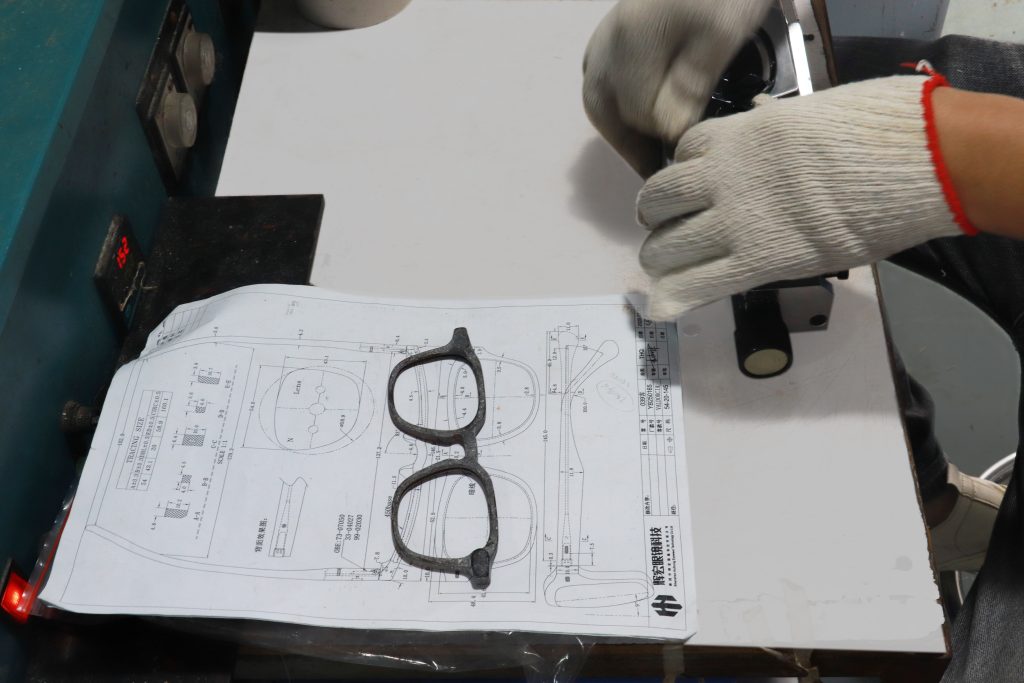
The Manufacturing Craft Behind Premium Acetate Glasses
For brands seeking custom acetate eyewear OEM/ODM solutions, the production process directly impacts final quality. Top-tier manufacturers follow these key steps:
Material selection — Sourcing optical-grade acetate sheets from trusted suppliers, with options for standard, bio-based, and specialty patterned acetate.
Precision cutting — CNC milling cuts frame fronts and temples from solid acetate blocks with micron-level accuracy.
Hand finishing — Multi-stage tumbling and hand polishing create a smooth, luxurious surface finish that machine-only production cannot match.
Assembly & quality control — Hinges, nose pads, and lenses are fitted and inspected across multiple checkpoints to ensure structural integrity and aesthetic consistency.
Customization support — From unique color laminations and embedded details to custom mold development for exclusive brand collections.
As an experienced eyewear OEM/ODM manufacturer specializing in high-end acetate frame design and production, we work directly with global brands, independent opticians, and fashion labels to bring custom eyewear concepts to production-ready reality — from initial sketch to bulk delivery.
Final Thoughts
Acetate glasses represent the sweet spot of premium eyewear: timeless aesthetic appeal, reliable everyday performance, and responsible material sourcing. Whether you’re building a eyewear collection or selecting frames for personal use, acetate delivers tangible advantages that justify its position as the industry’s gold-standard frame material.
If you’re exploring custom acetate eyewear production or need technical guidance on material selection and design feasibility, our engineering and design teams are ready to support your project.